Kata
Kata are the formal sequences at the heart of Kyokushin. Every movement is set out below, step by step, with the photographs that go with it. Choose a kata from the list to begin.
Select Kata
Gekisai Sho
Strong and powerful movement. Sai — the fortress or stronghold. Geki — literally, to breakdown. Therefore, Gekisai Sho (small) means to breakdown the fortress. This kata teaches strength through fluidity and mobility, illustrating that flexibility will always be superior to rigidity.
- Approximate performance time
- 48 seconds minimum; 52 seconds maximum
- Stances
- Fudo Dachi Musubi Dachi Uchi-Hachi-Ji-Dachi Yoi Dachi Sanchin Dachi Kokutsu Dachi Zenkutsu Dachi Kiba Dachi Kake Dachi Neko Ashi Dachi
Gekisai Sho
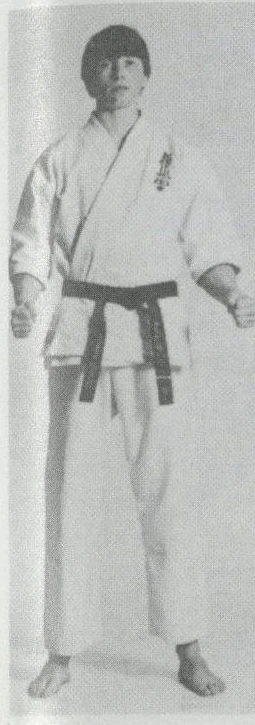
Start the kata in fudo dachi (fig. 1).
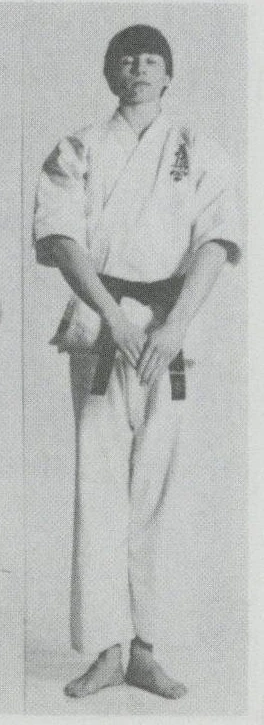
Move into musubi dachi and mokuso on the command “Mokuso” (fig. 2).
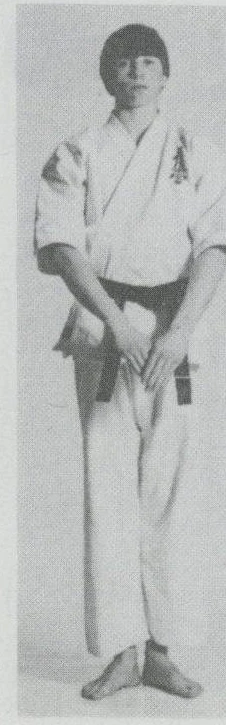
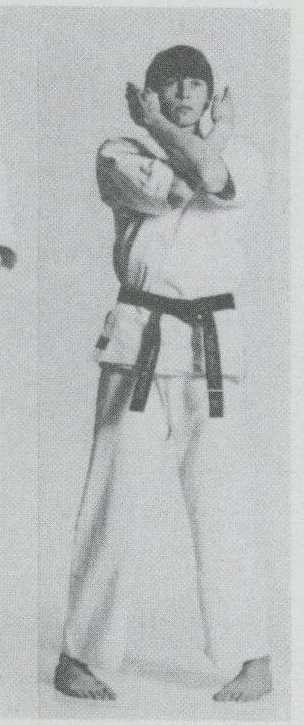
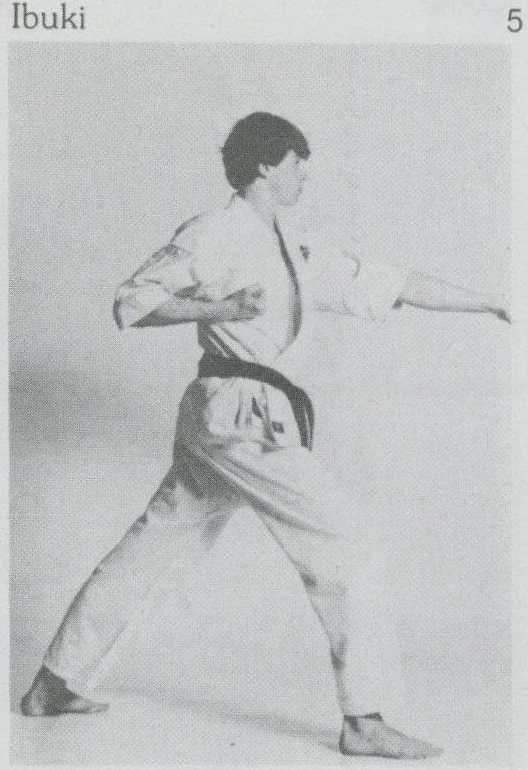
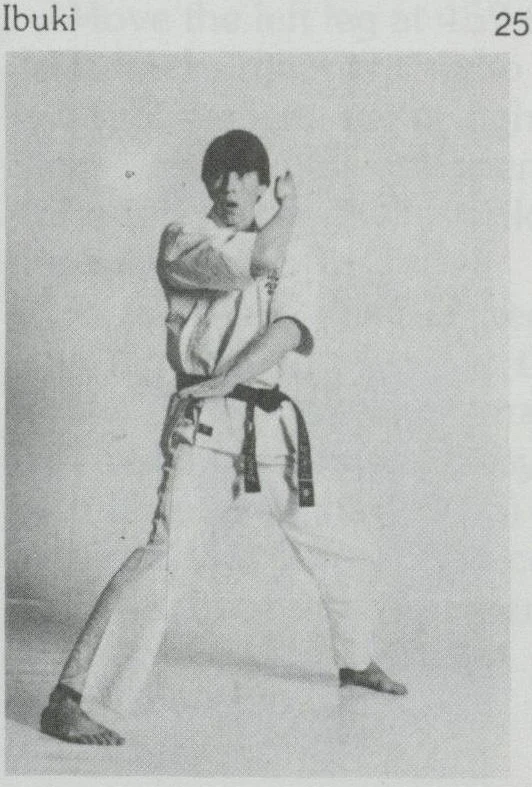
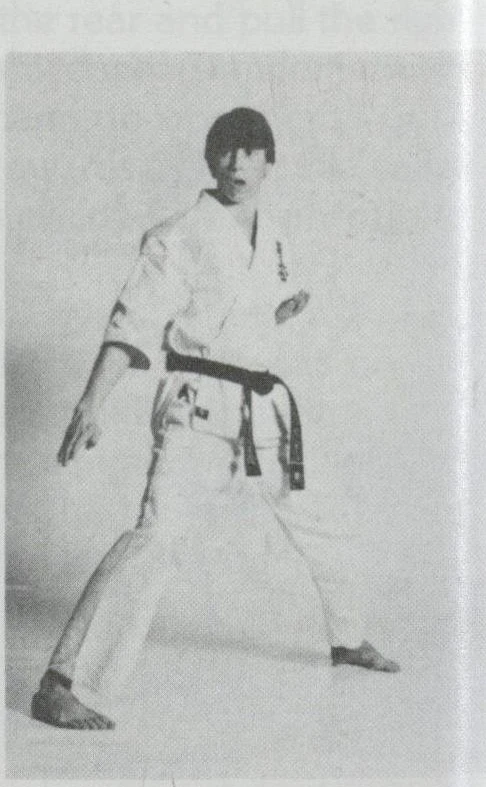
On the second command “Gekisai Sho”, open eyes, move into the yoi position with ibuki (figs. 3 to 5).
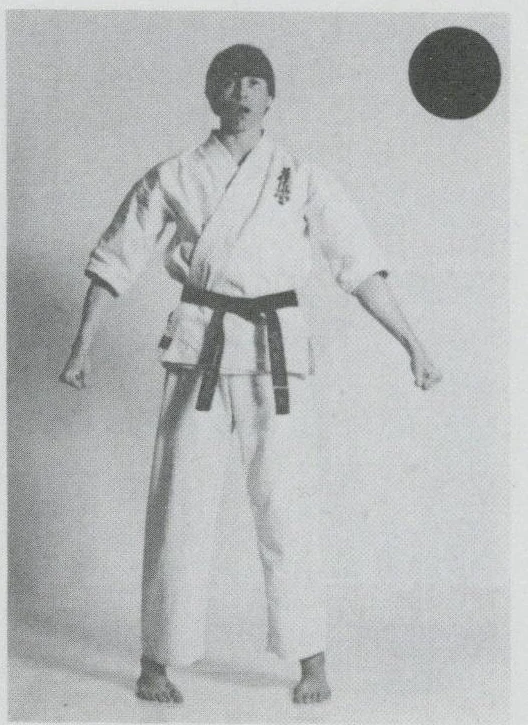
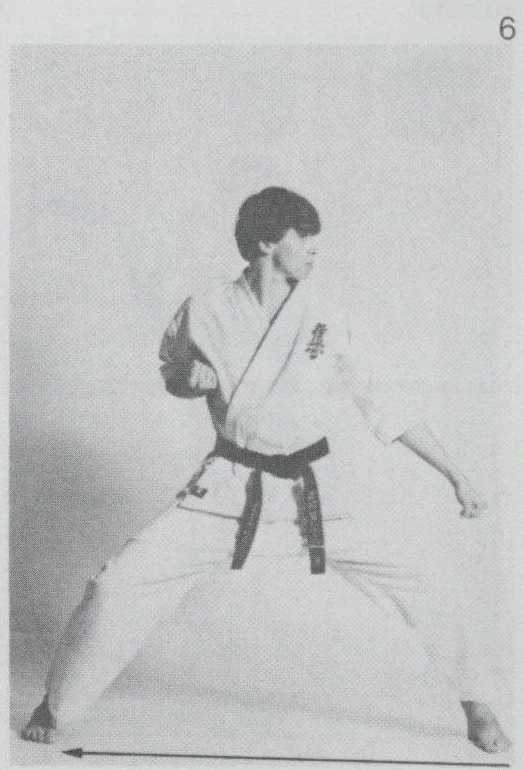
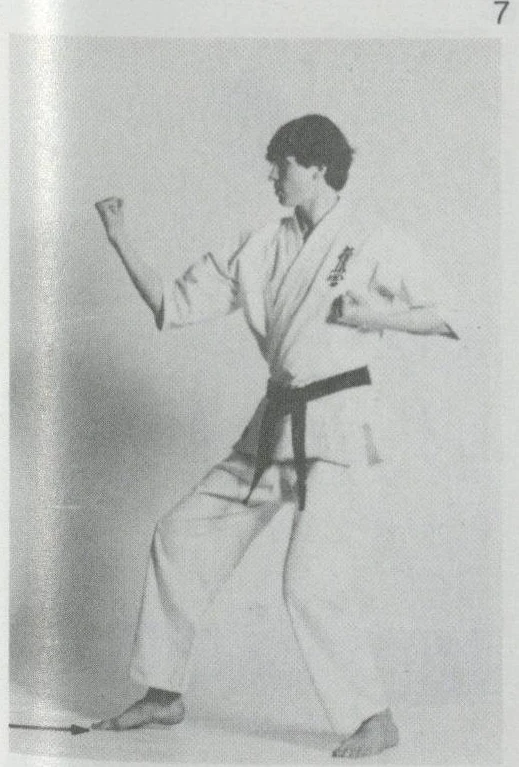
On the command “Hajime” turn to the left into left kokutsu dachi and block chudan uchi uke (fig. 6) and immediately punch chudan gyaku tsuki (fig. 7).
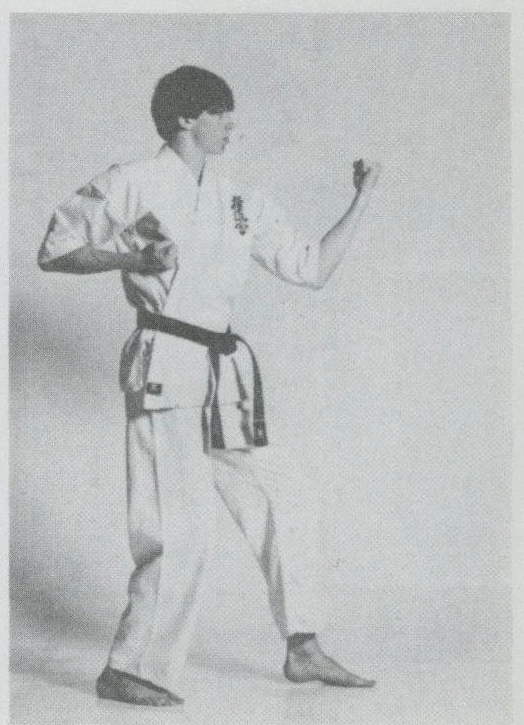
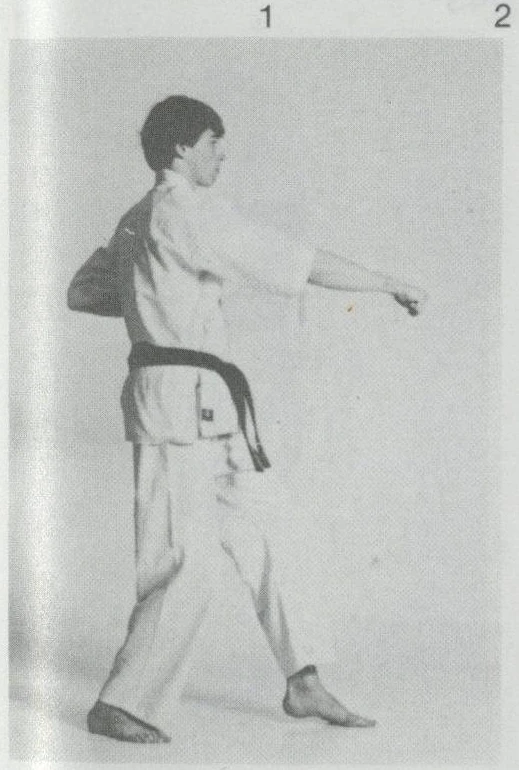
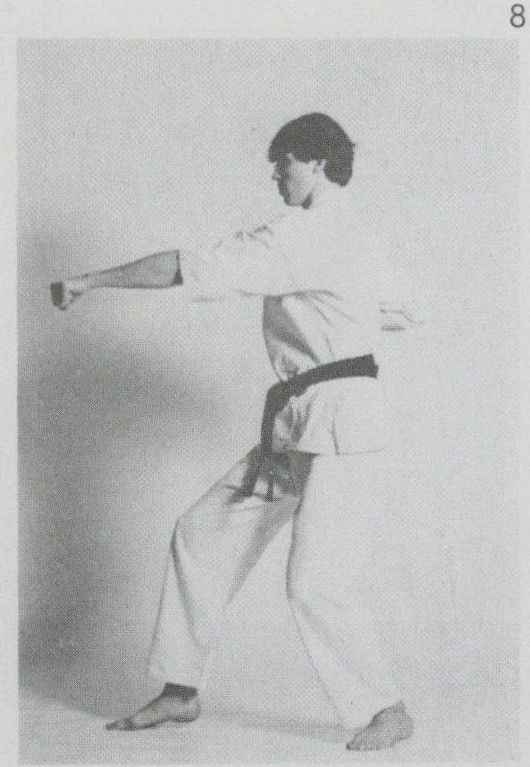
Move forward into right zenkutsu dachi and block jodan uke (fig. 8) and immediately punch chudan gyaku tsuki (fig. 9).
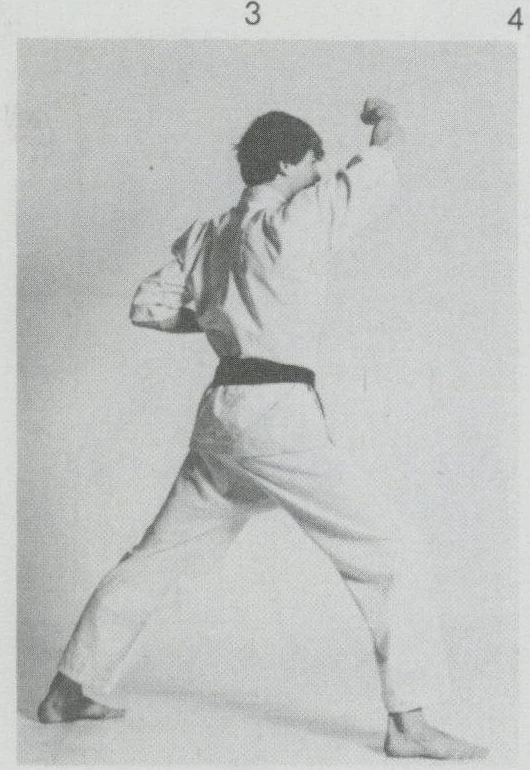
Take the right foot back turning the body 90° into kiba dachi and block left gedan barai, looking to the left as you block (fig. 10).
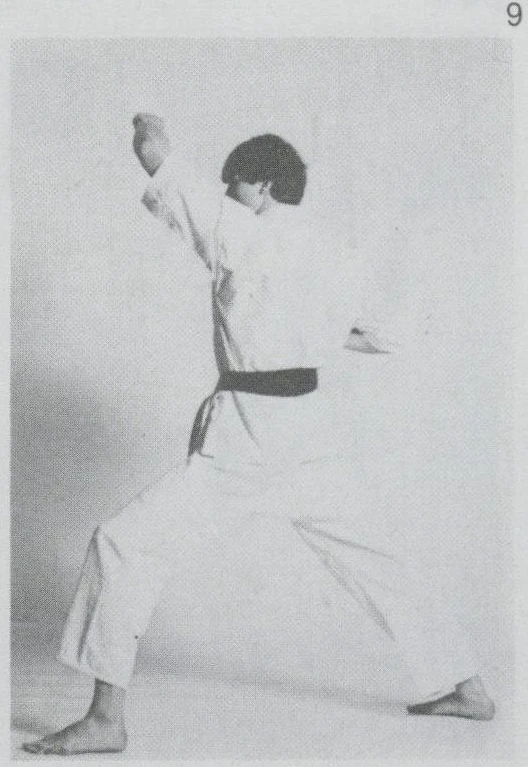
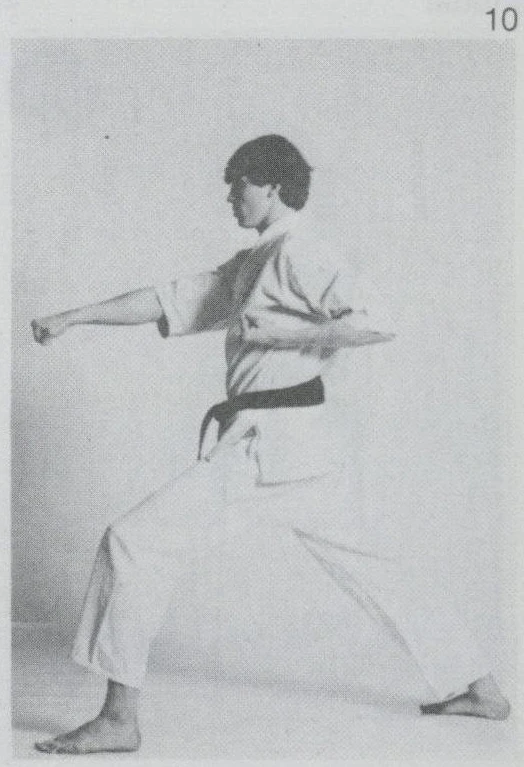
Turn 90° to the right sliding the right foot back into right kokutsu dachi and block chudan uchi uke (fig. 11) and immediately punch chudan gyaku tsuki (fig. 12).
Move forward into left zenkutsu dachi and block left jodan uke (fig. 13) and immediately punch chudan gyaku tsuki (fig. 14).
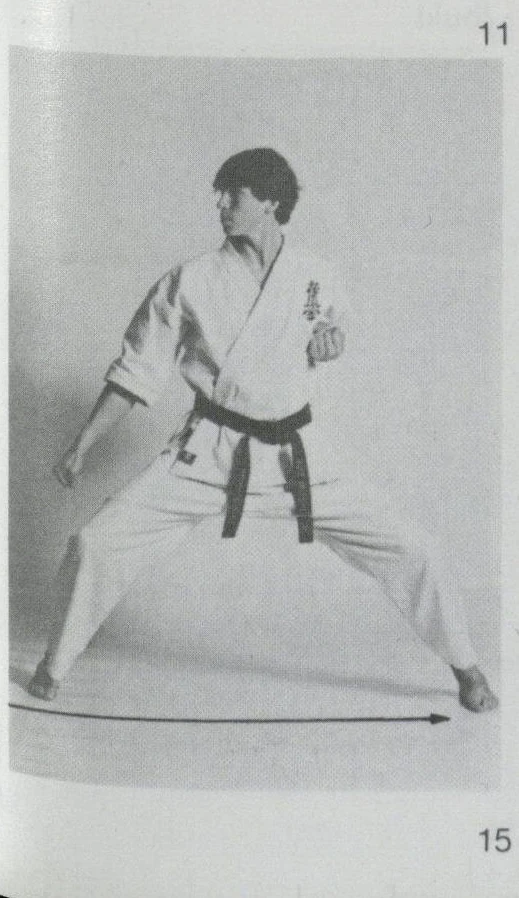
Take the left foot back turning the body 90° into kiba dachi and block right gedan barai looking to the right as you block (fig. 15).
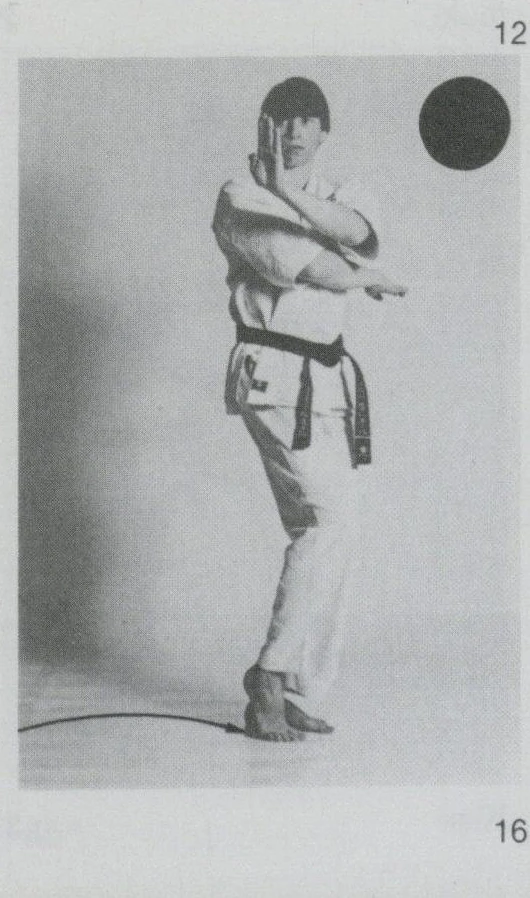
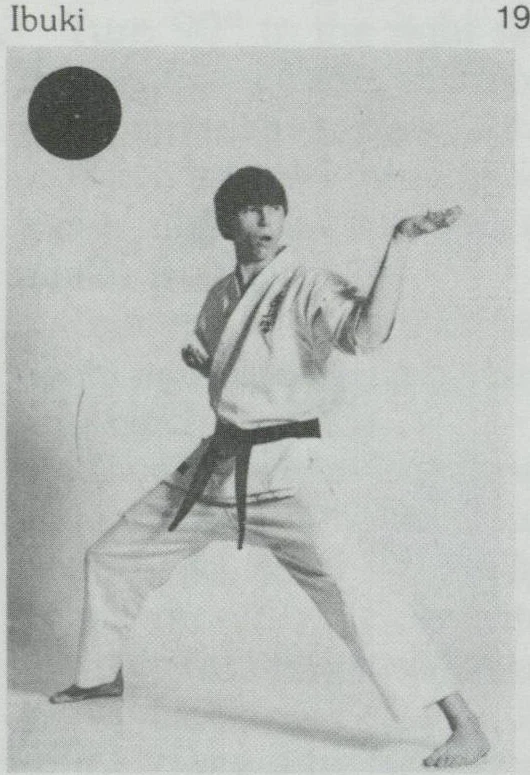
Move the right foot forward towards the left (i.e. to cover the groin) covering with a left shotei (fig. 16) (the open hand is to be held slightly above and to the front of the shoulder). Complete the movement by moving the right foot forward into a 45° kiba dachi (fig. 17) and slowly block right chudan haito uchi uke with ibuki and at the same time returning the left hand open to the ready punch position (fig. 18).
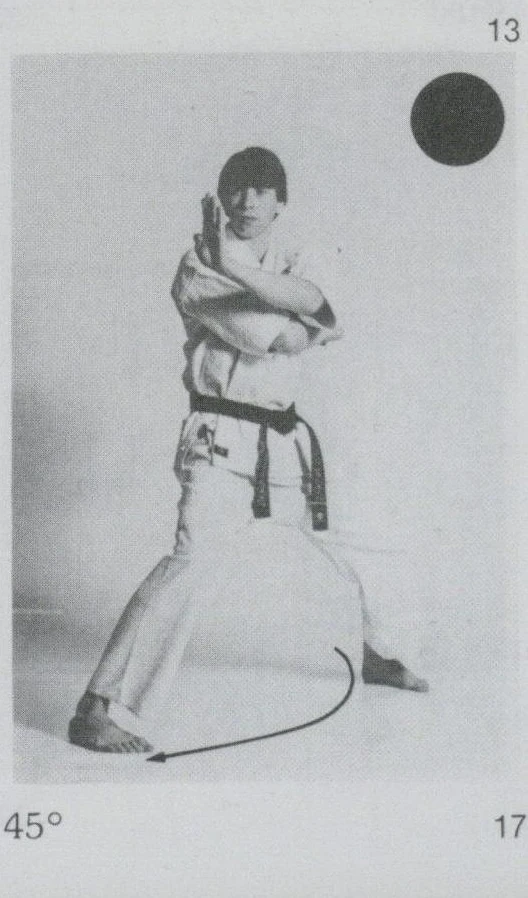
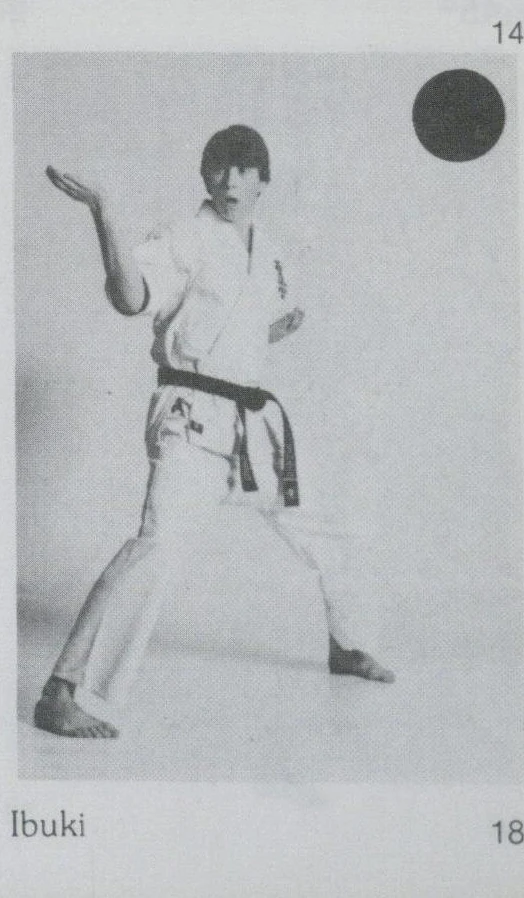
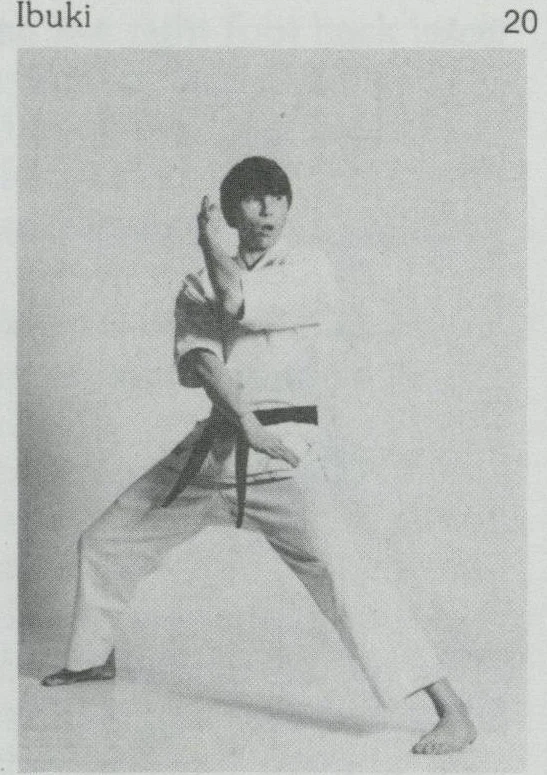
Place the left hand in the gedan barai cover position and place the right hand for a shuto gedan block (fig. 19) and quickly execute a right shuto gedan barai, returning the left hand open to the ready punch position (fig. 20) (n.b. the haito block is performed slowly with ibuki and the final exhalation of air is performed as you block shuto gedan barai).
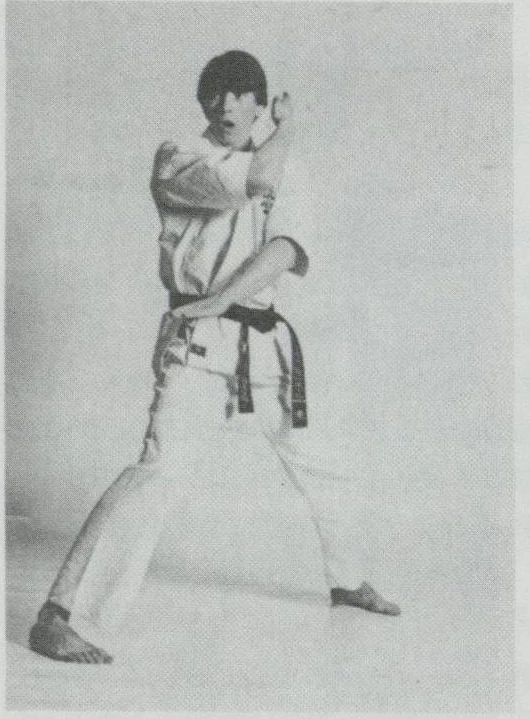
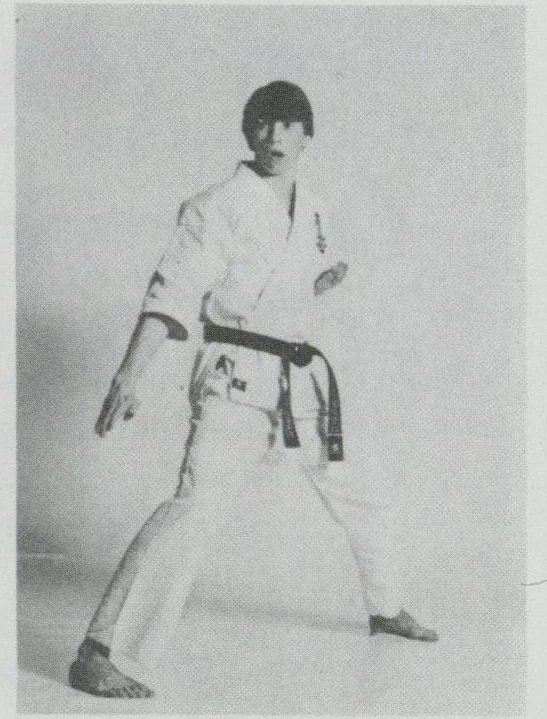
Move the left foot forward to the right and move forward into a 45° kiba dachi, block left chudan haito uchi uke and block left shuto gedan barai with ibuki (figs. 21 to 25).
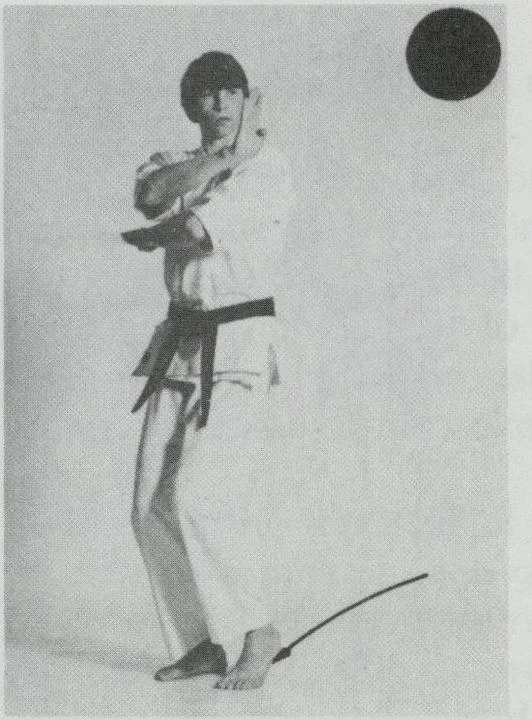
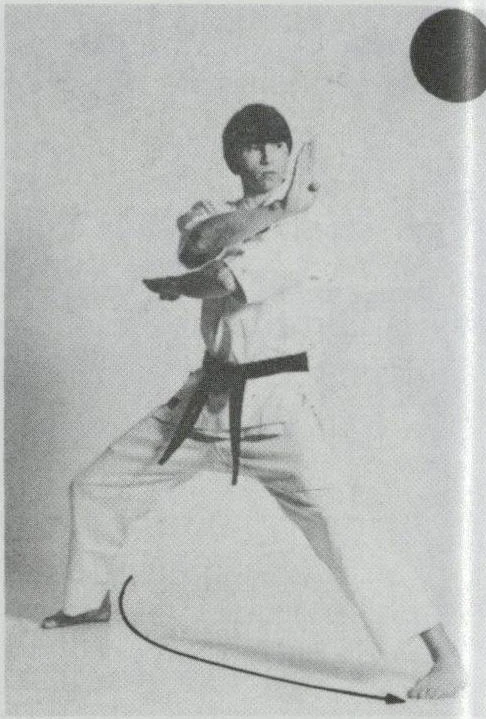
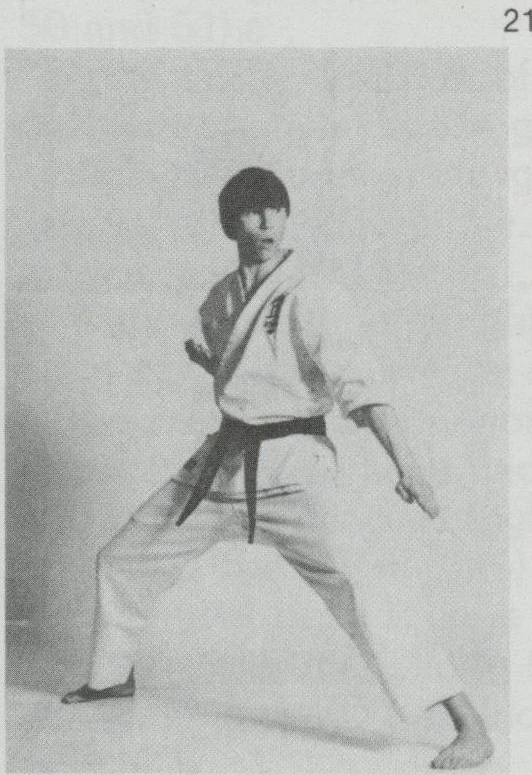
Move the right foot towards the left and move forward into a 45° kiba dachi, block right chudan haito uchi uke and block right shuto gedan barai with ibuki (figs. 26 to 30).
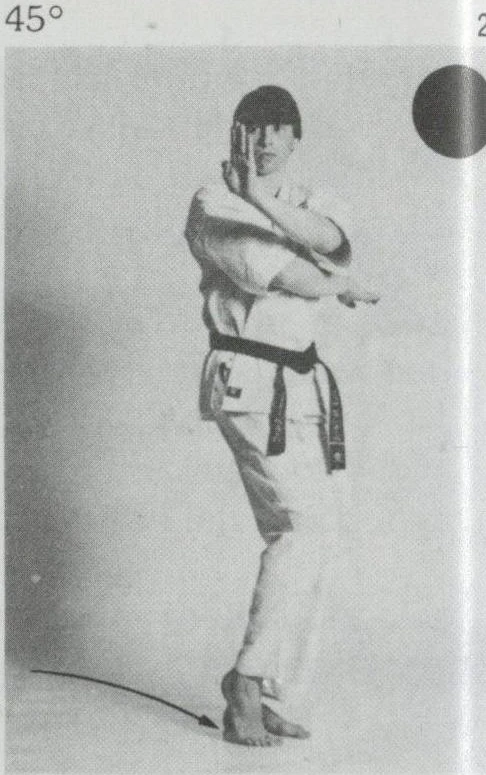
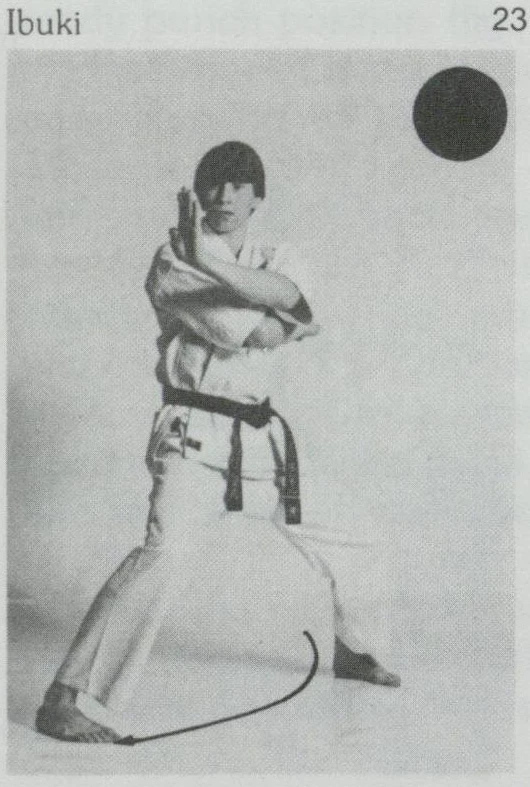
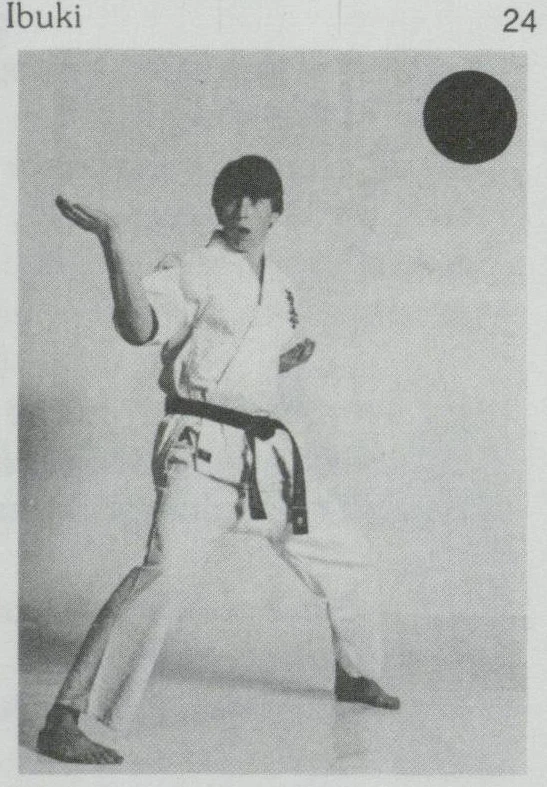
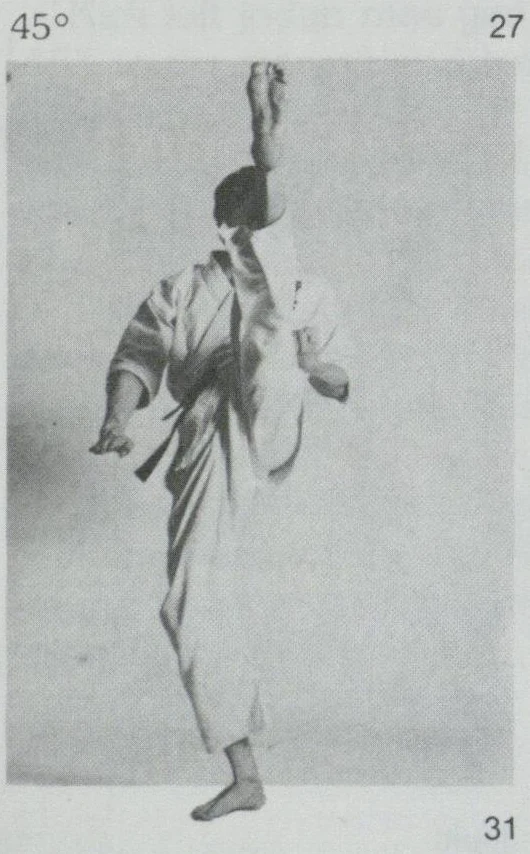
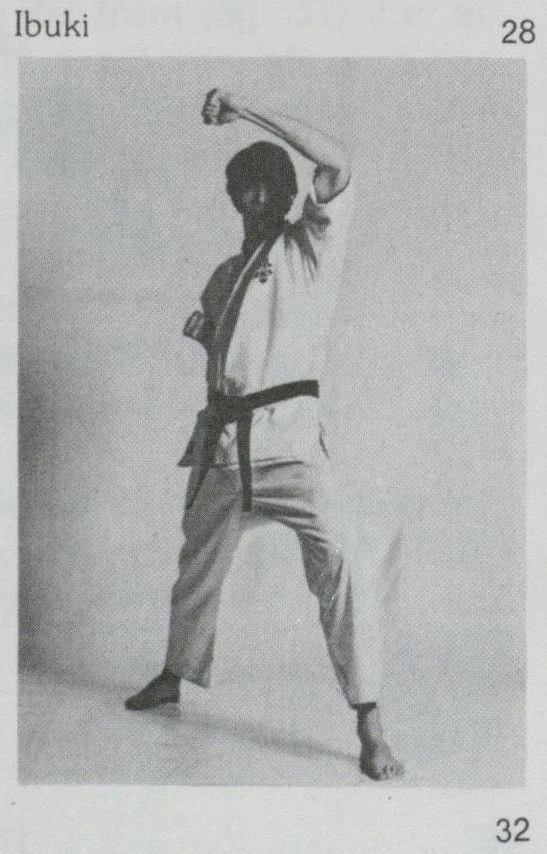
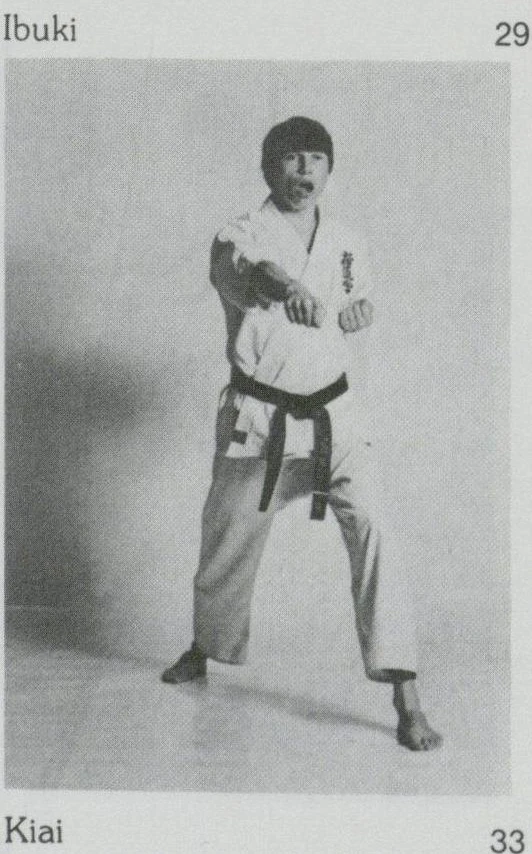
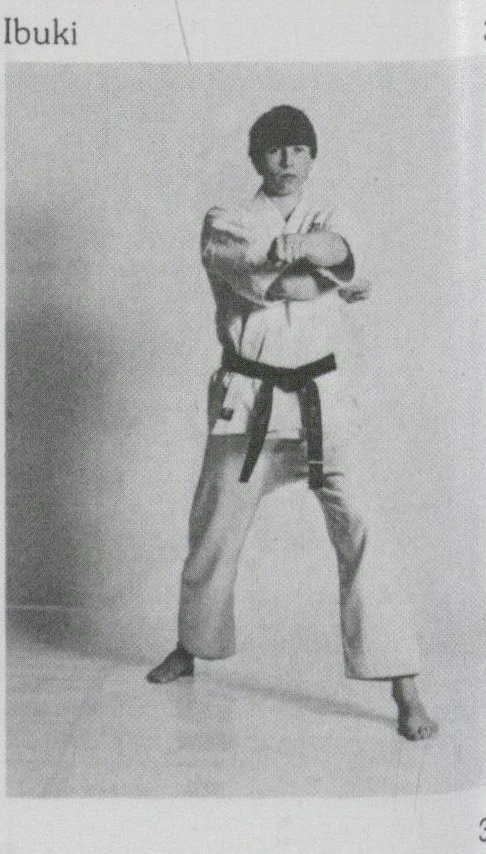
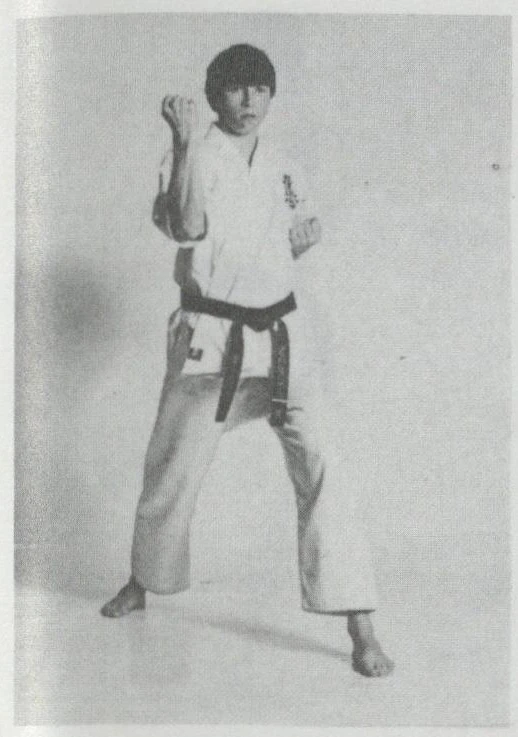
Kick left jodan mae geri to the front (fig. 31) (i.e. at 45° to the stance) and land forward into left zenkutsu dachi and block jodan uke (fig. 32), immediately punch chudan gyaku tsuki and KIAI (fig. 33), then in the same stance block gyaku chudan uchi uke (figs. 34 and 35) and block gyaku mae gedan barai (figs. 36 and 37).
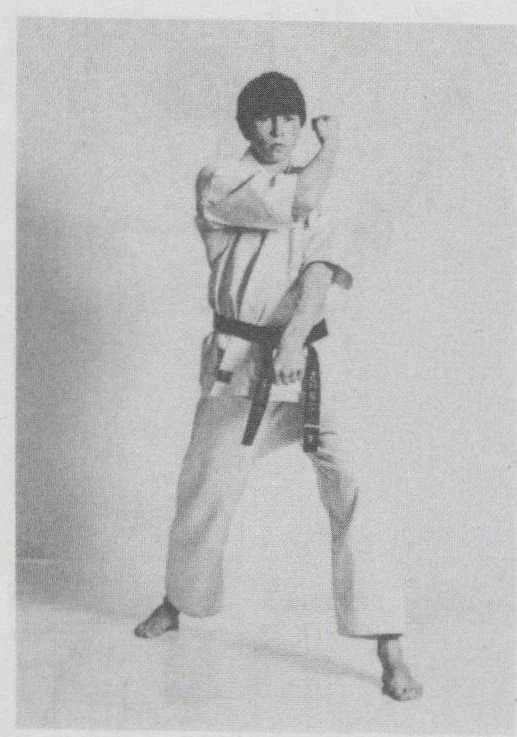
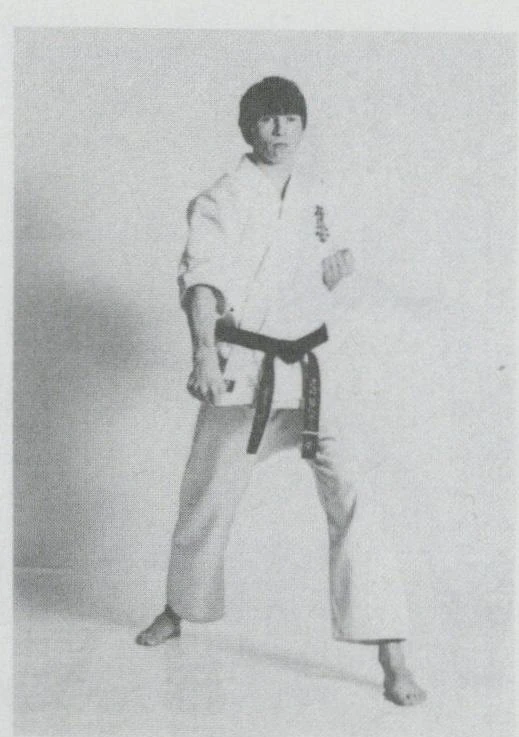
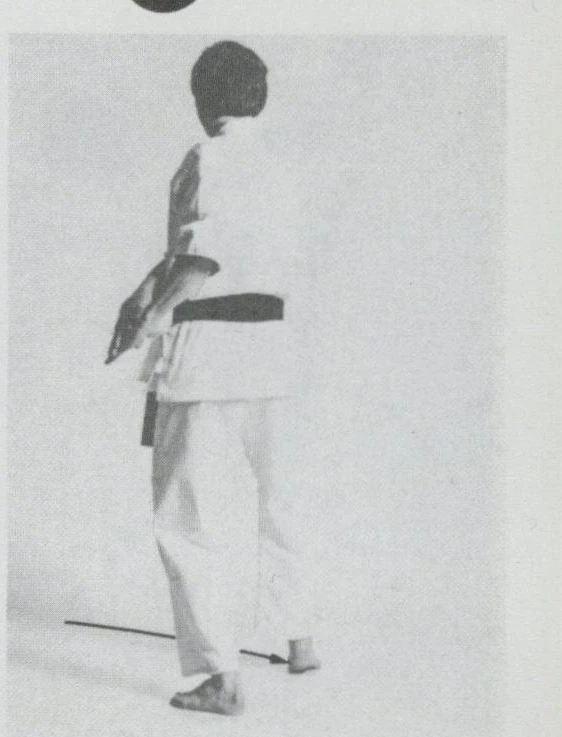
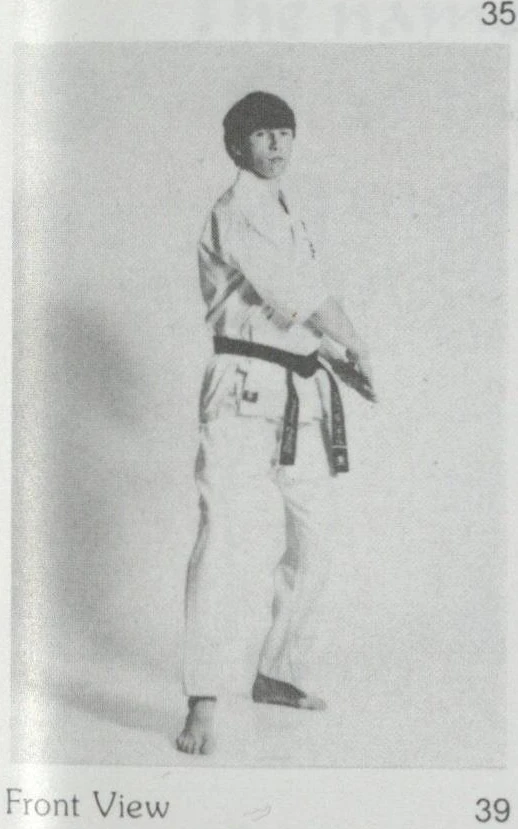
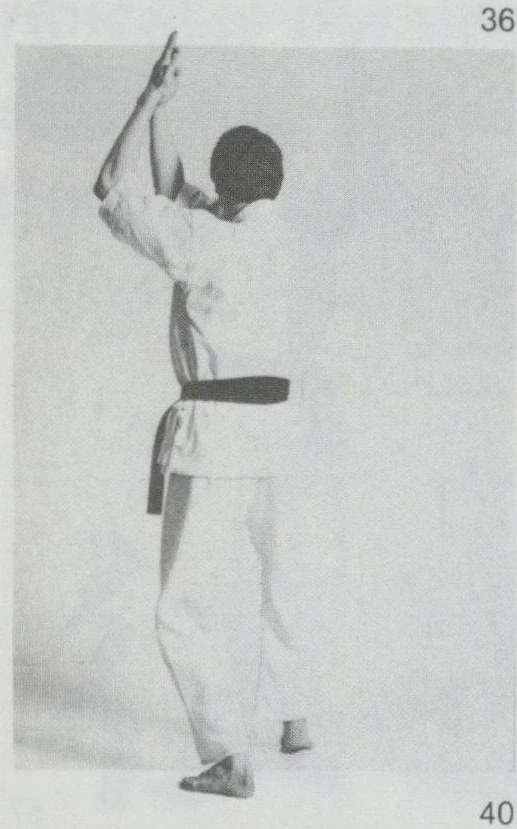
Turn your head to look behind and simultaneously move the right leg across to turn 180° into right kokutsu dachi and block with a slow half shuto mawashi uke (figs. 38 to 43).
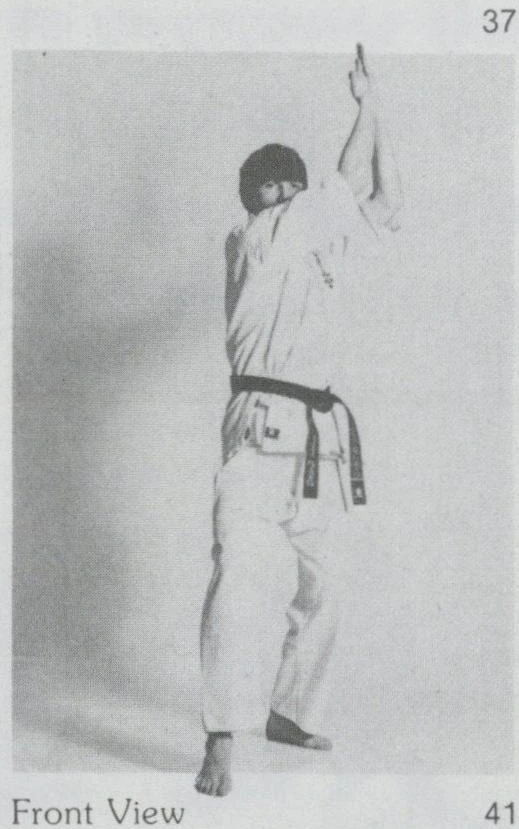
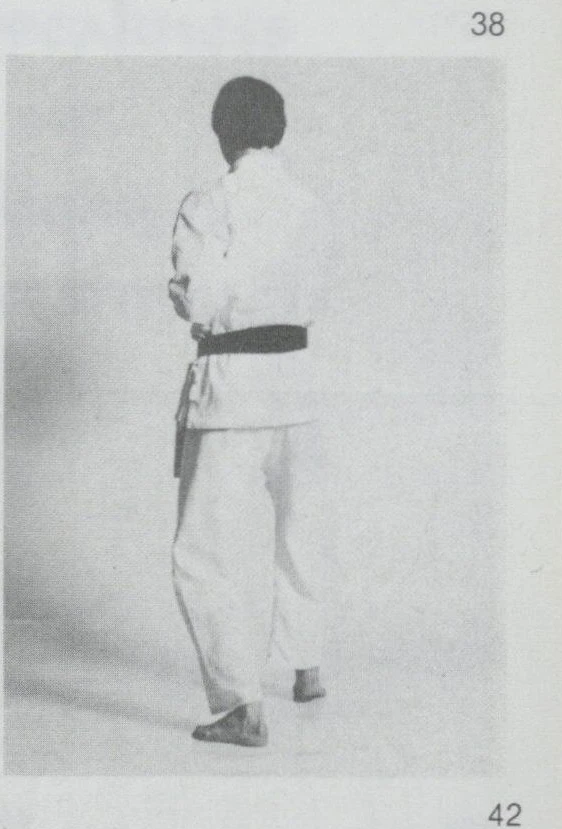
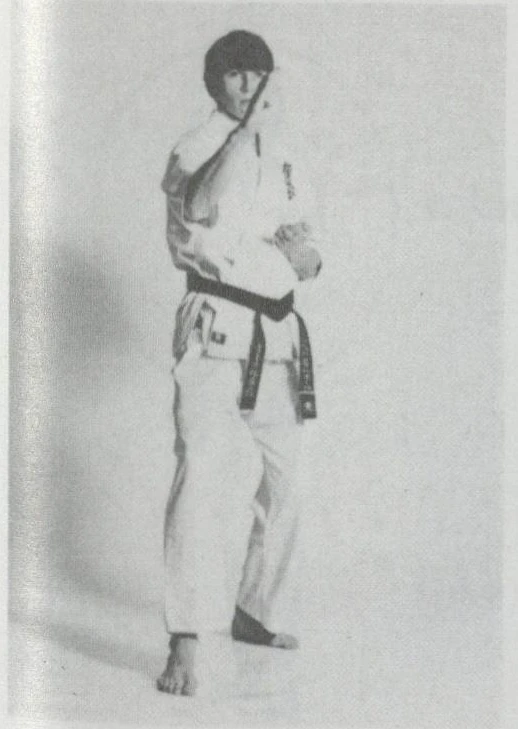
Bring the left foot up to tsuru ashi dachi and simultaneously bring the fists, closed, to the right side of the body so that the left fist is placed on top of the right (fig. 44).
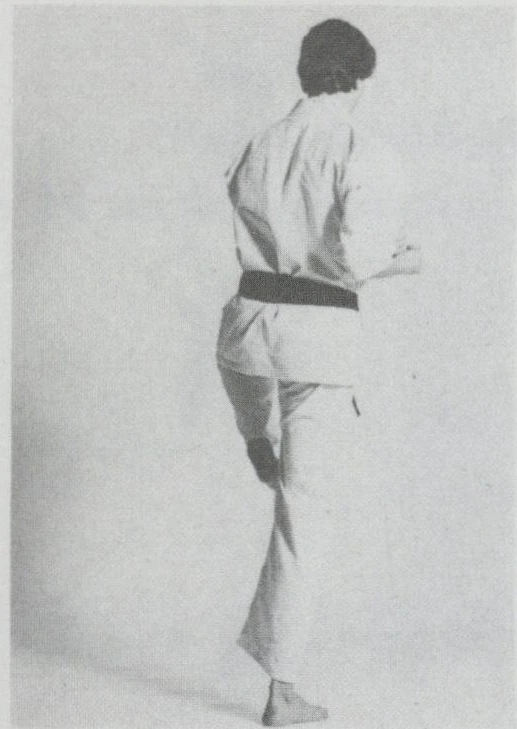
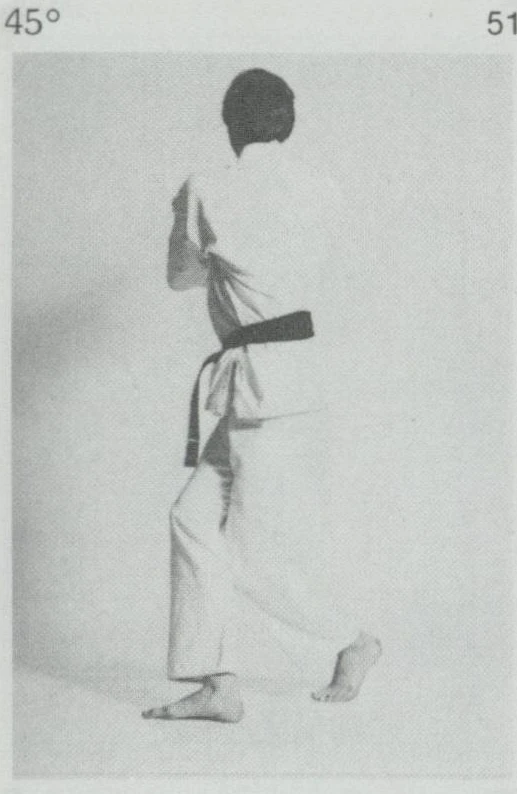
Kick left yoko geri jodan at 45° and strike left uraken uchi (fig. 45).
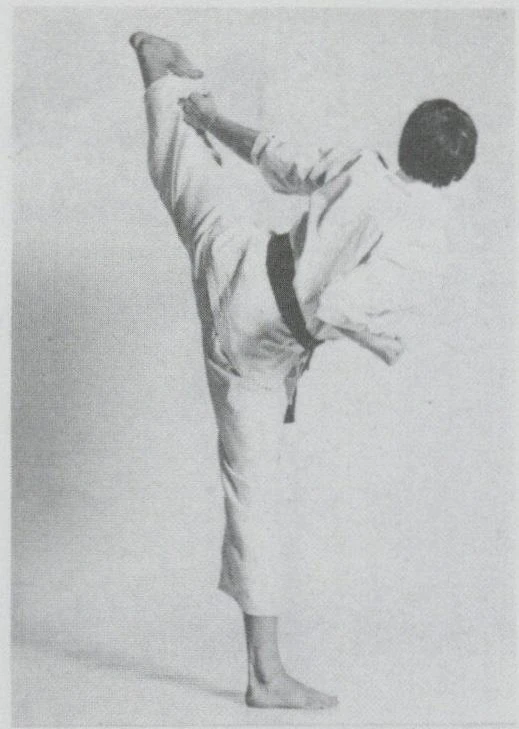
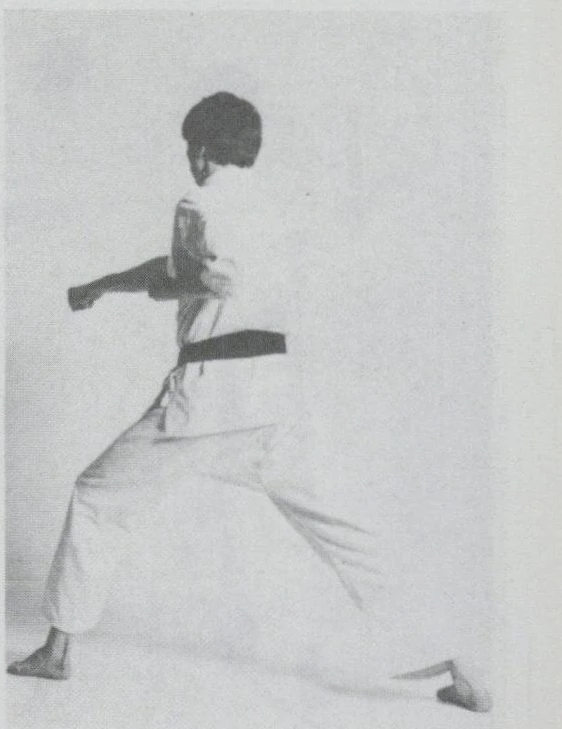
Land in the direction of the kick (i.e. 45° to the original tsuru ashi dachi) into left zenkutsu dachi and punch chudan gyaku tsuki (fig. 46).
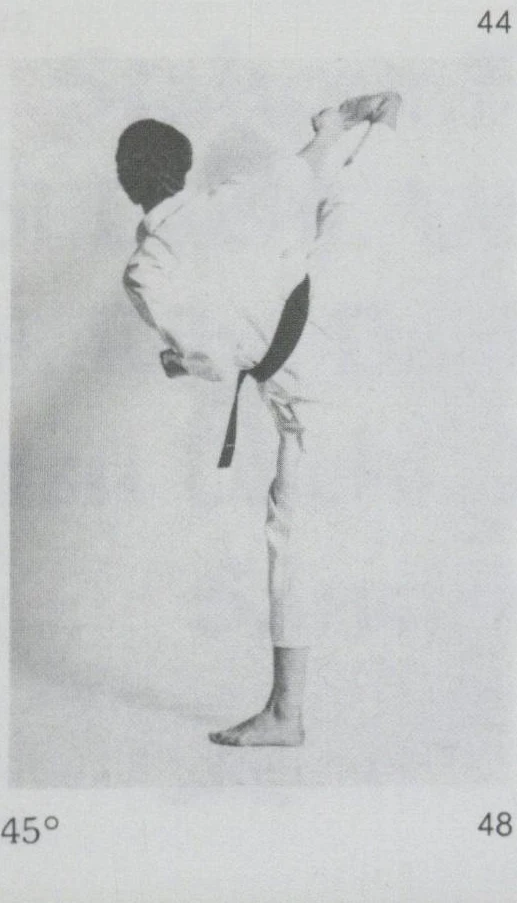
Bring the right foot up to tsuru ashi dachi turning 45° to the right and as previously described kick right jodan yoko geri at 45° and strike right uraken uchi (figs. 47 and 48).
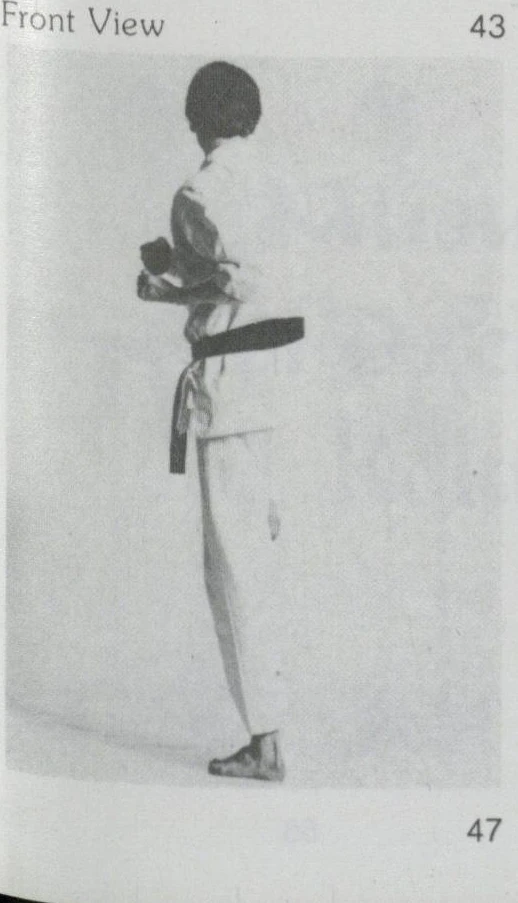
Land in the direction of the kick into right zenkutsu dachi and punch chudan gyaku tsuki (fig. 49).
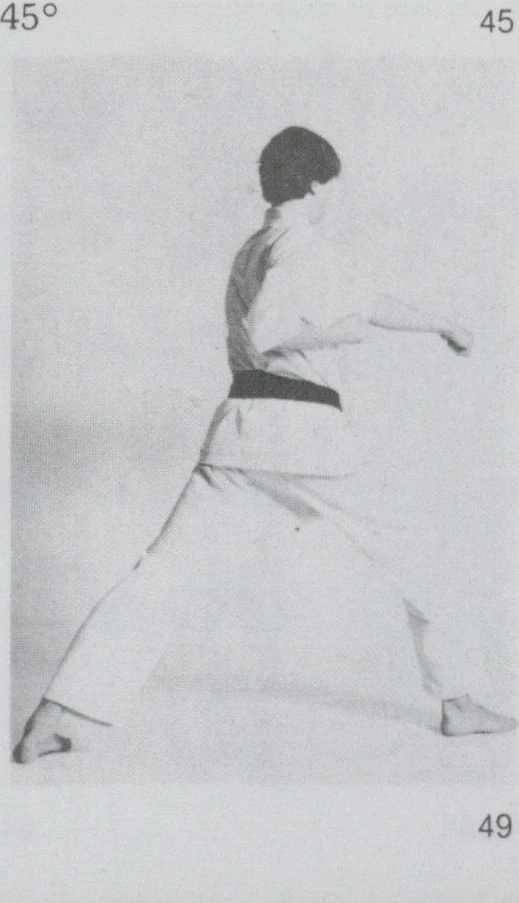
Bring the left foot up into tsuru ashi dachi turning 45° to the left and as previously described kick left jodan yoko geri at 45° and strike left uraken uchi (figs. 50 and 51).
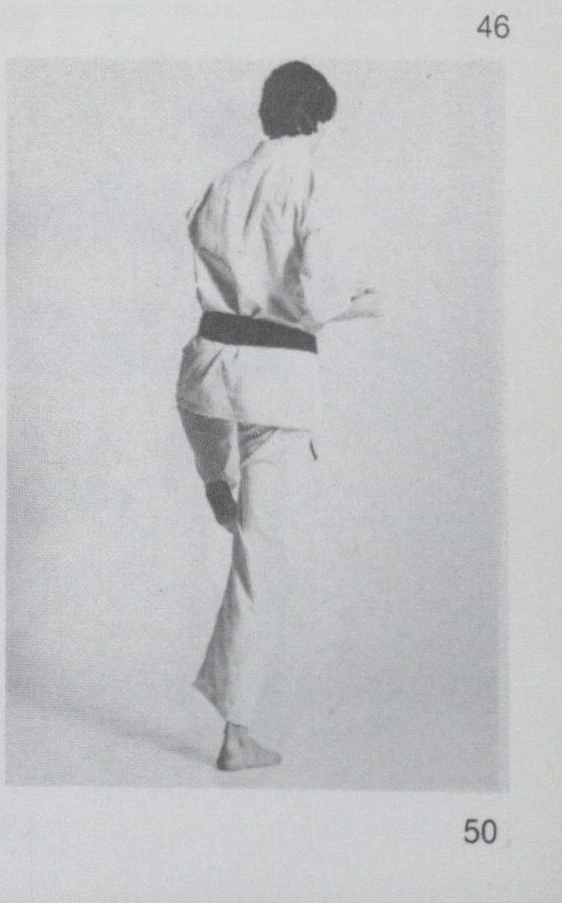
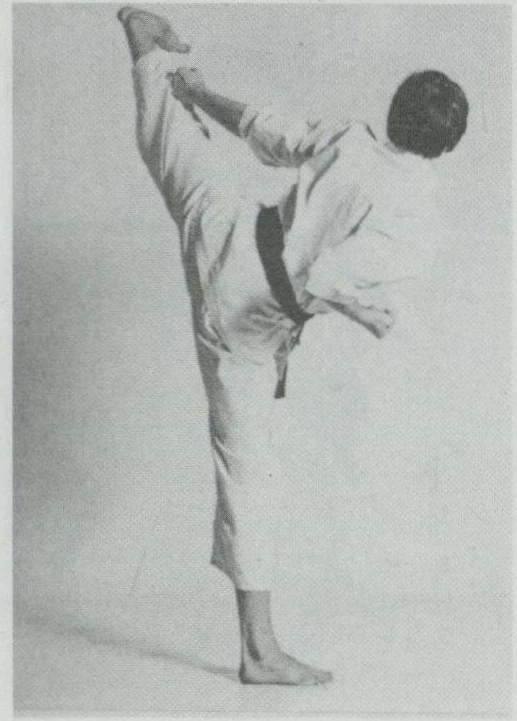
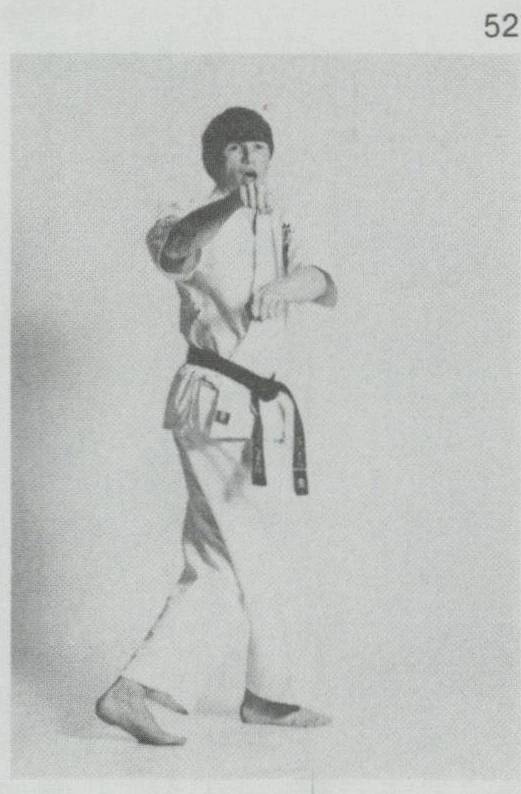
Land in the direction of the kick into left zenkutsu dachi and punch chudan gyaku tsuki (fig. 52).
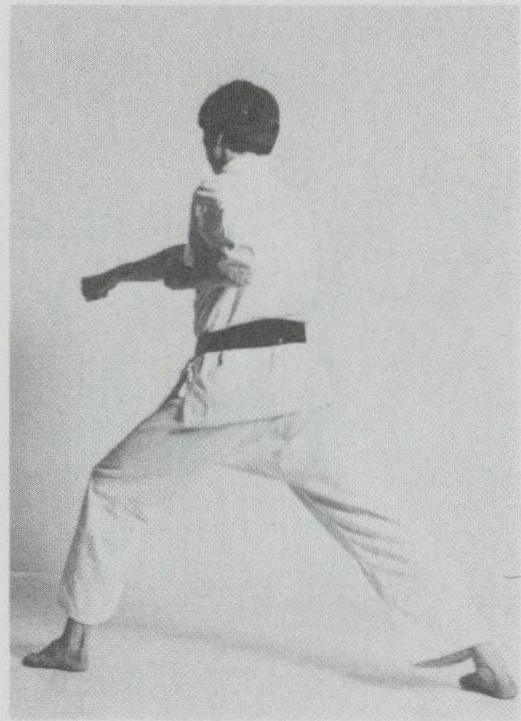
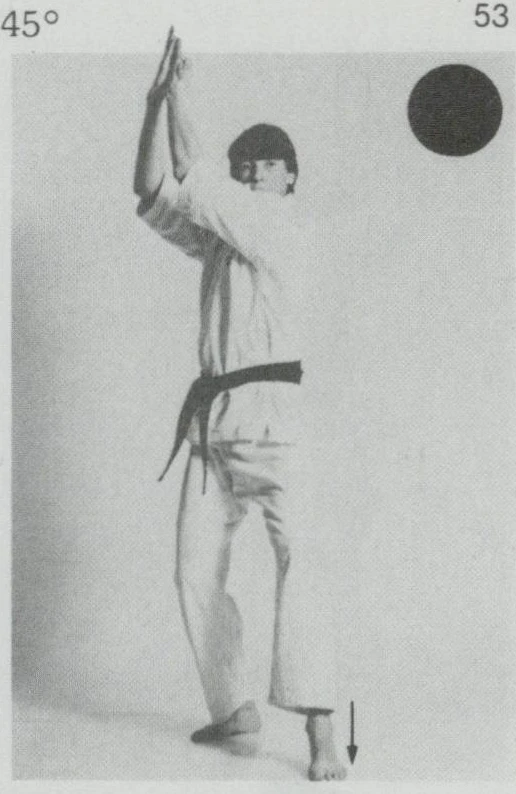
Kick right jodan mae geri in the direction of the original zenkutsu dachi (i.e. at 45°) with the arms in the original position (fig. 53).
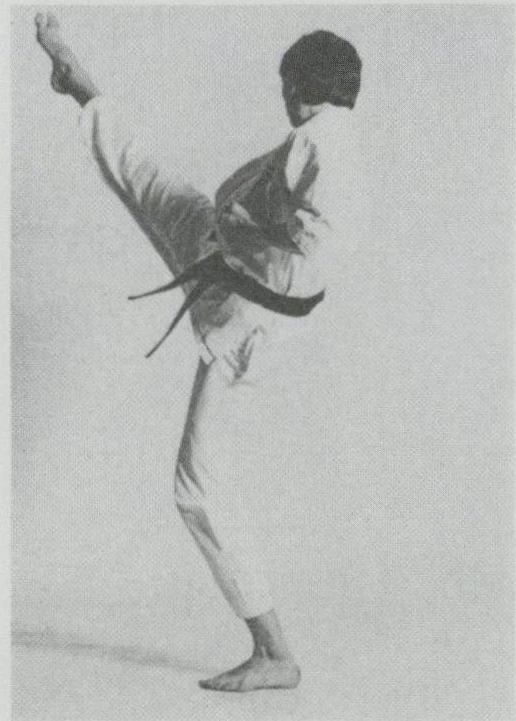
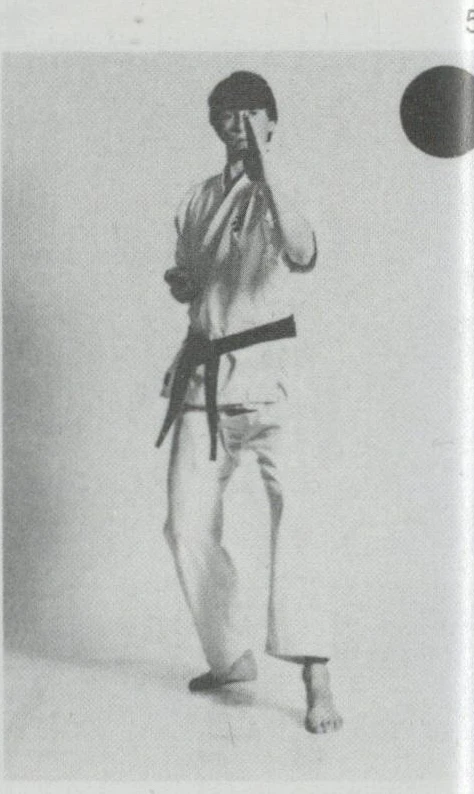
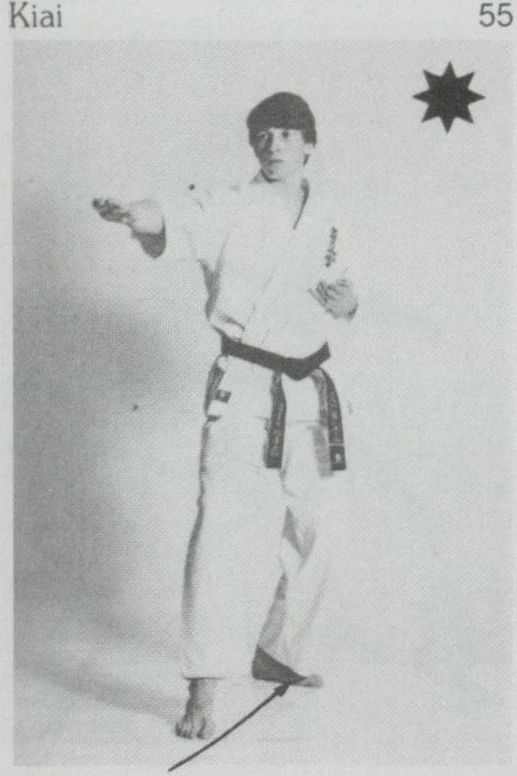
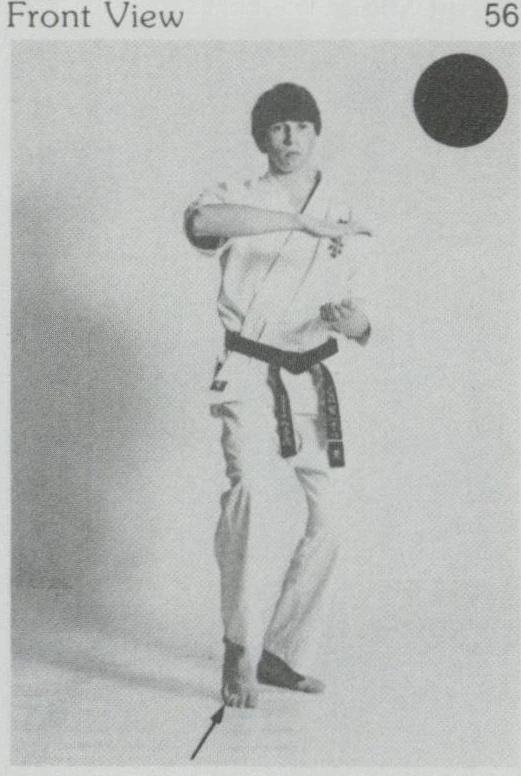
Without placing the right foot down, after the kick, bring it back into tsuru ashi dachi, pulling both fists back to the ready punch position (fig. 54) and immediately step forward into kake dachi with the left foot behind and strike morote tsuki (right fist jodan left fist chudan) and KIAI (figs. 55 and 56).
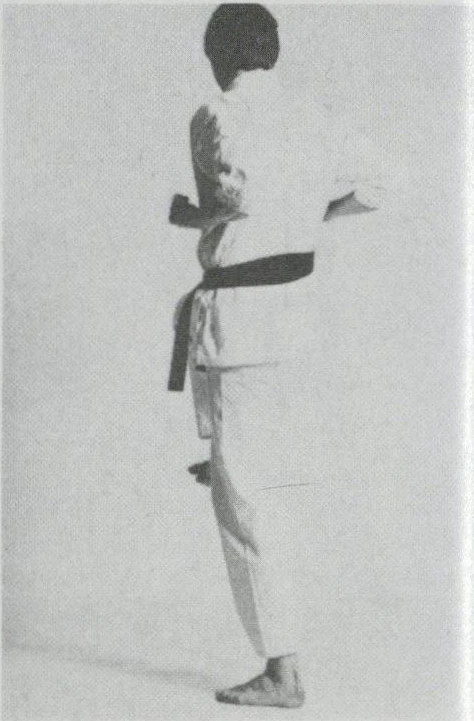
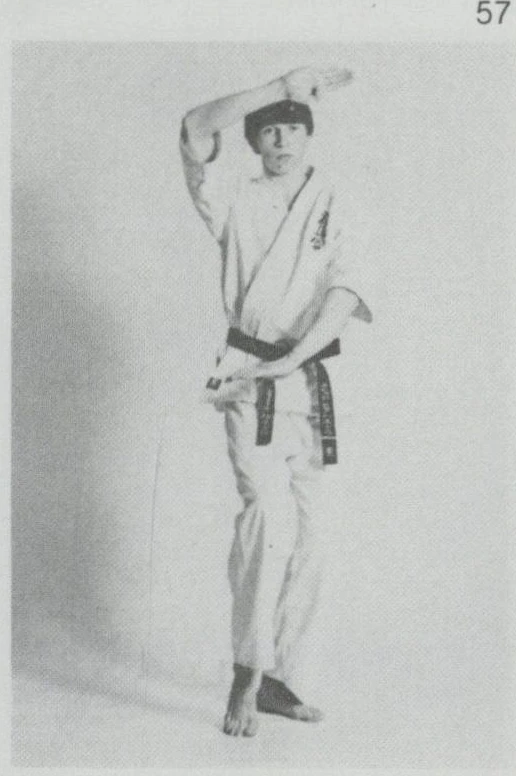
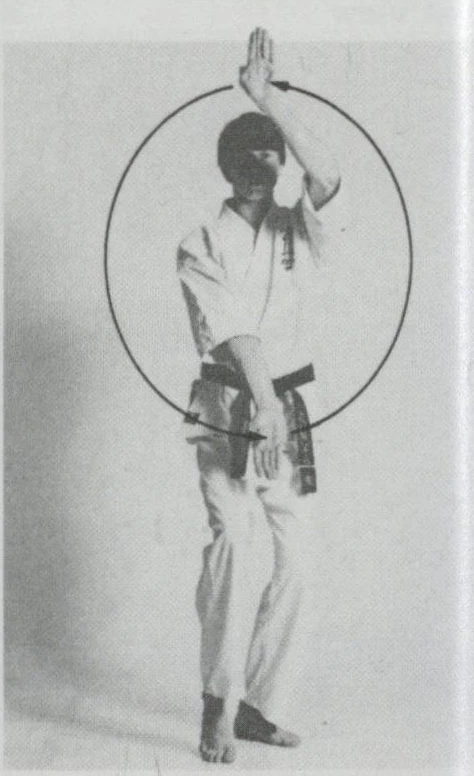
Turn your head to look back over the left shoulder and turn with the left leg into left kokutsu dachi and block with a slow half shuto mawashi uke (figs. 57 and 58).
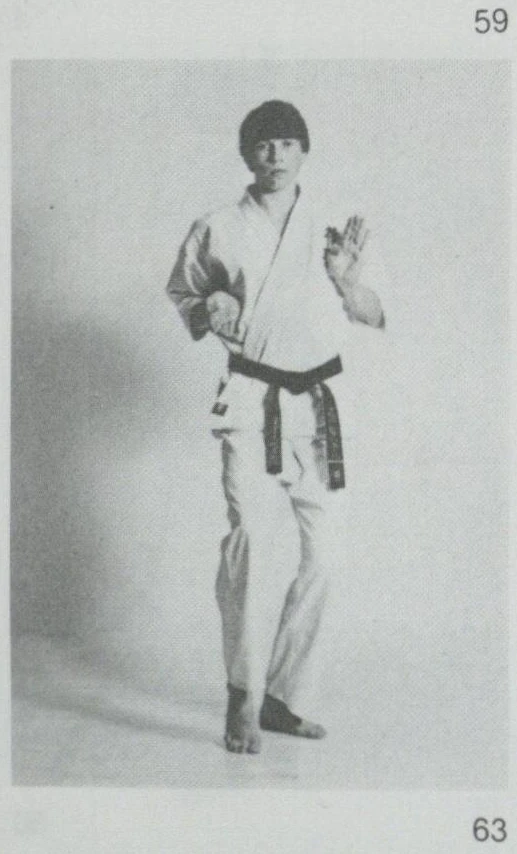
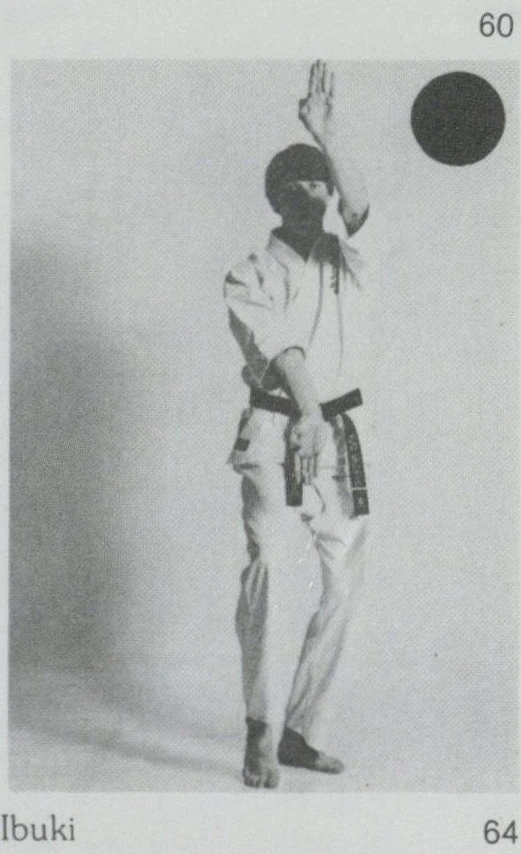
Move the left leg at 45° to the rear and pull the right foot back into right neko ashi dachi simultaneously a fast strike with haito, right hand, to opponent’s neck then hook to draw opponent towards you. At the same time left hand slowly strikes chudan yonhon nukite (figs. 59 and 60).
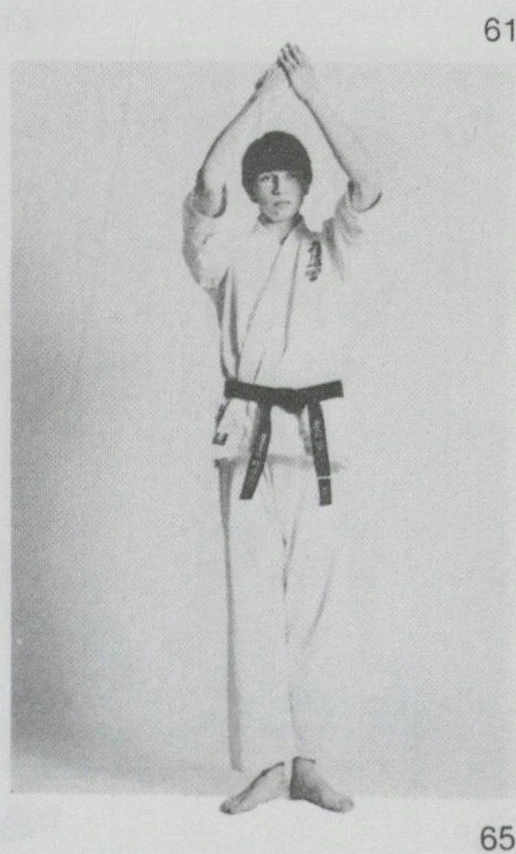
In the same stance execute gyaku shuto mawashi uke (figs. 61 to 64) (n.b. the ibuki is executed on the shotei part of the shuto mawashi uke — see fig. 64).
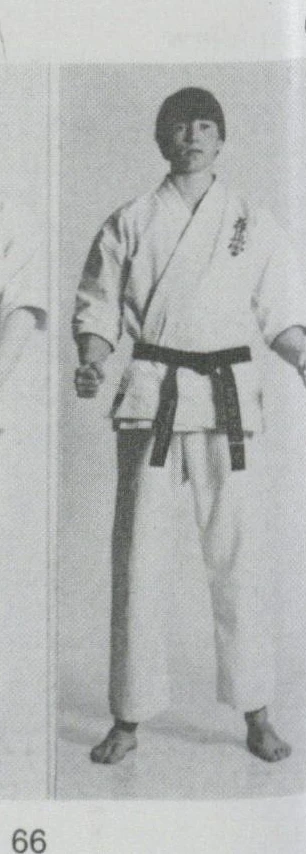
The kata is completed by moving the right foot back into musubi dachi (fig. 65) and the mokuso position is retained (fig. 66) until the command “Naore” when the fudo dachi position is taken (fig. 67).

Ready to Start Training?
Train with us in Wimbledon and start working towards your first grading.
Join Our Classes