Kata
Kata are the formal sequences at the heart of Kyokushin. Every movement is set out below, step by step, with the photographs that go with it. Choose a kata from the list to begin.
Select Kata
Tsuki No Kata
The punching kata.
- Approximate performance time
- 36 seconds minimum; 39 seconds maximum
- Stances
- Fudo Dachi Uchi-Hachi-Ji-Dachi Yoi Dachi Zenkutsu Dachi Kiba Dachi Sanchin Dachi Tsuru-Ashi-Dachi
Tsuki No Kata
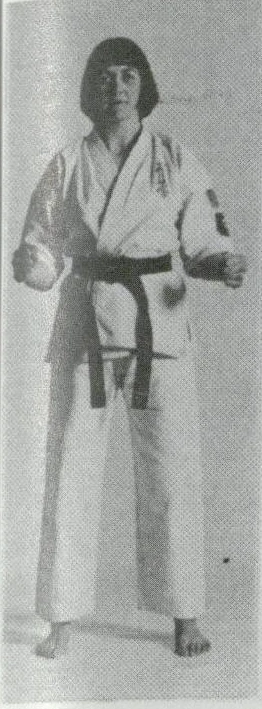
Start the kata in fudo dachi (fig. 1).
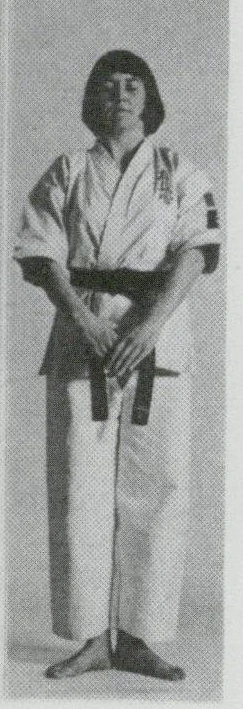
Move into musubi dachi and mokuso on the command “Mokuso” (fig. 2).
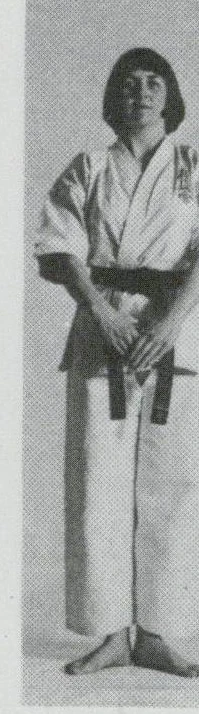
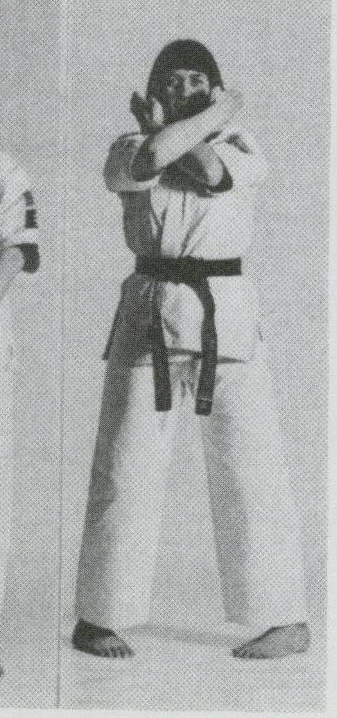
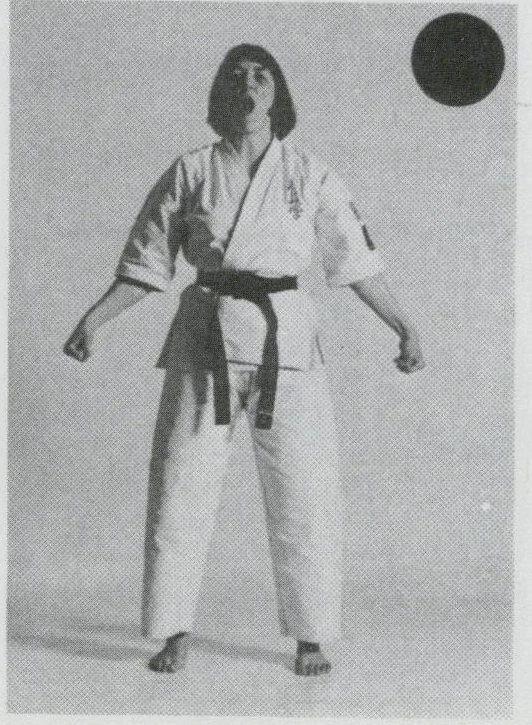
On the second command “Tsuki No Kata”, open eyes, move into the yoi position with ibuki (figs. 3 to 5).
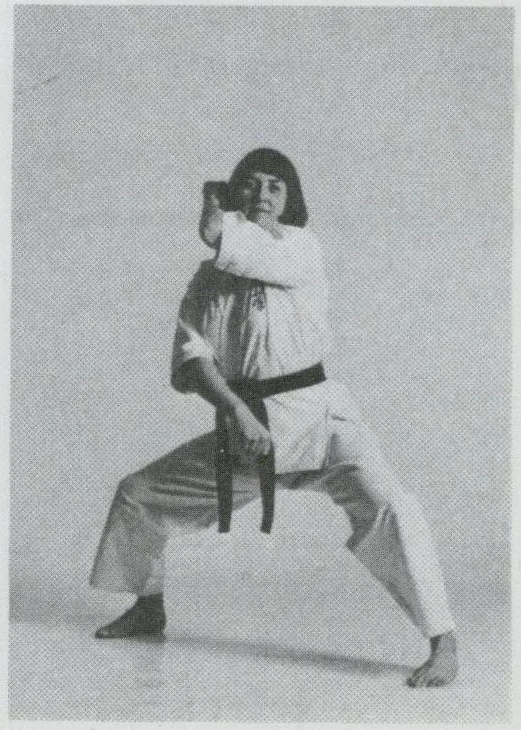
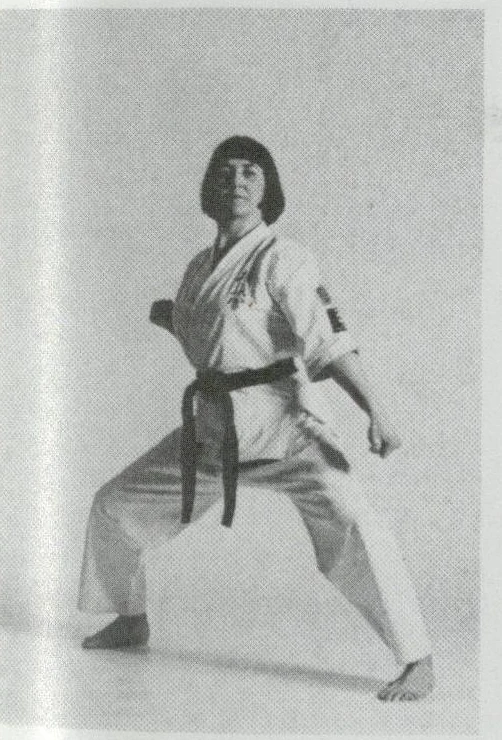
On the command “Hajime” move the right leg back at 45° into kiba dachi (fig. 6) and block mae gedan barai (fig. 7) then punch chudan gyaku tsuki (fig. 8) (n.b. these two actions are done in one movement).
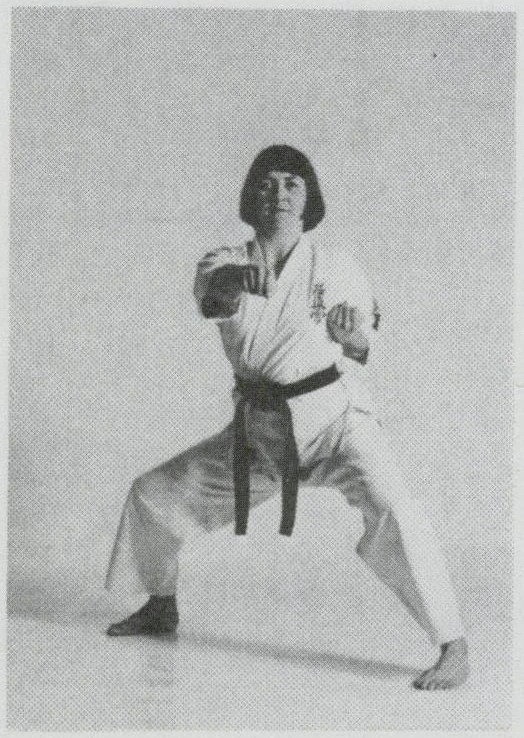
Move forward with the right foot in a straight line into kiba dachi at 45° and punch chudan gyaku tsuki (fig. 9).
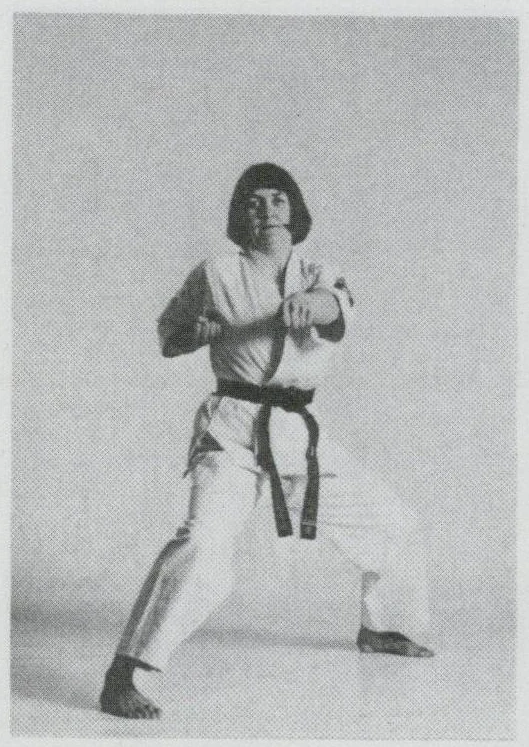
Move the left foot forward into sanchin dachi and punch chudan gyaku tsuki (fig. 10).
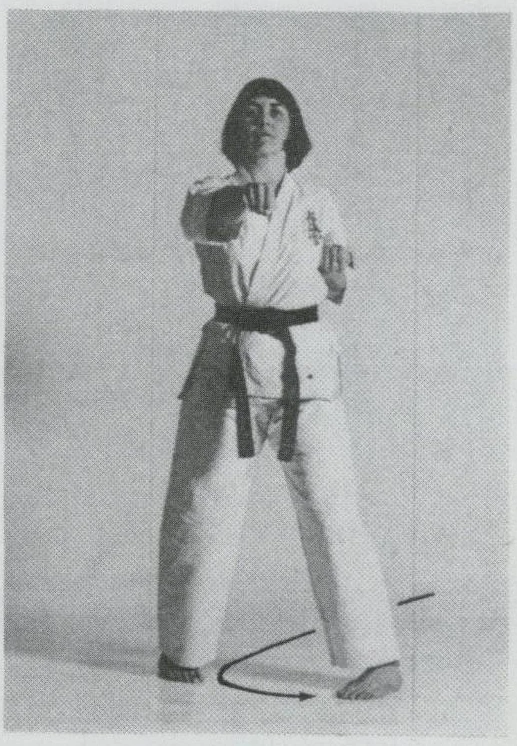
Move the right foot forward into sanchin dachi and punch chudan gyaku tsuki (fig. 11).
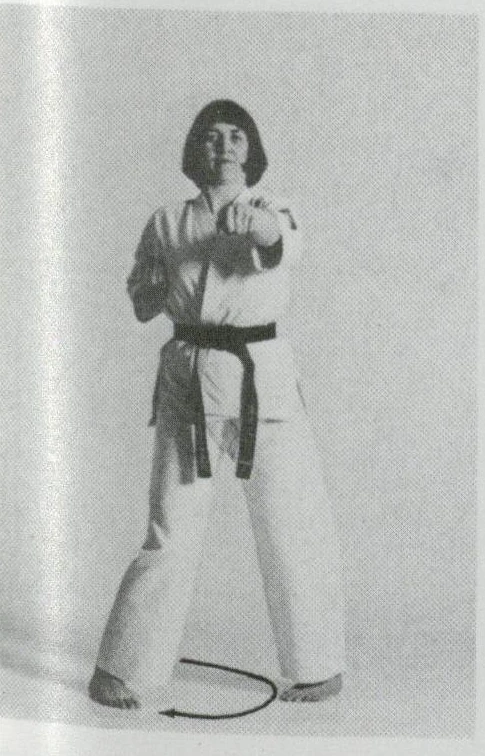
Move forward with the left foot into zenkutsu dachi and punch gedan gyaku tsuki (fig. 12).
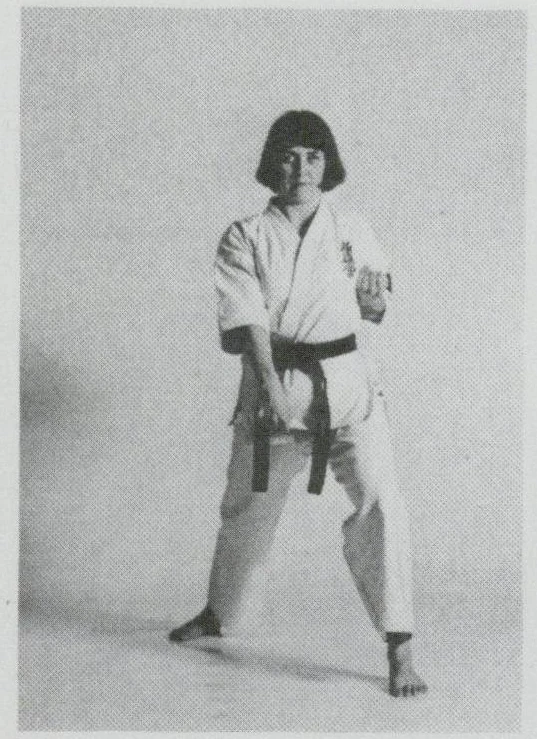
Move forward with the right foot into zenkutsu dachi and punch gedan gyaku tsuki (fig. 13) and chudan oi tsuki (fig. 14) (n.b. the punches must be done fast).
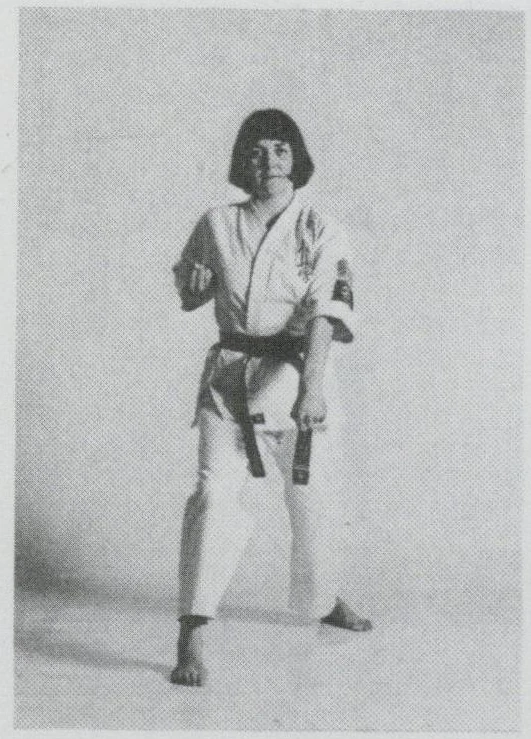
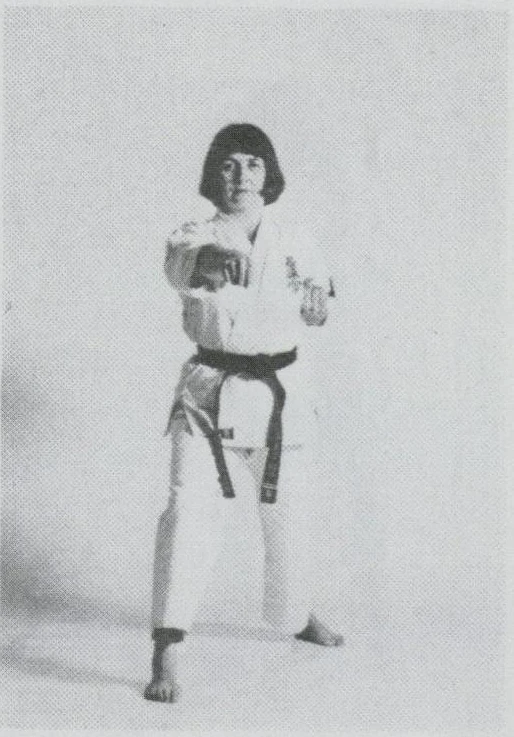
Bring the right foot across (fig. 15) and turn the body 180° into left sanchin dachi and block left chudan uchi uke (fig. 16) and punch chudan oi tsuki (fig. 17) (n.b. when turning into sanchin dachi the right foot should move back so that the right heel crosses in front of the left toes to establish the sanchin dachi position. Note also that the turn, block and punch are all performed quickly).
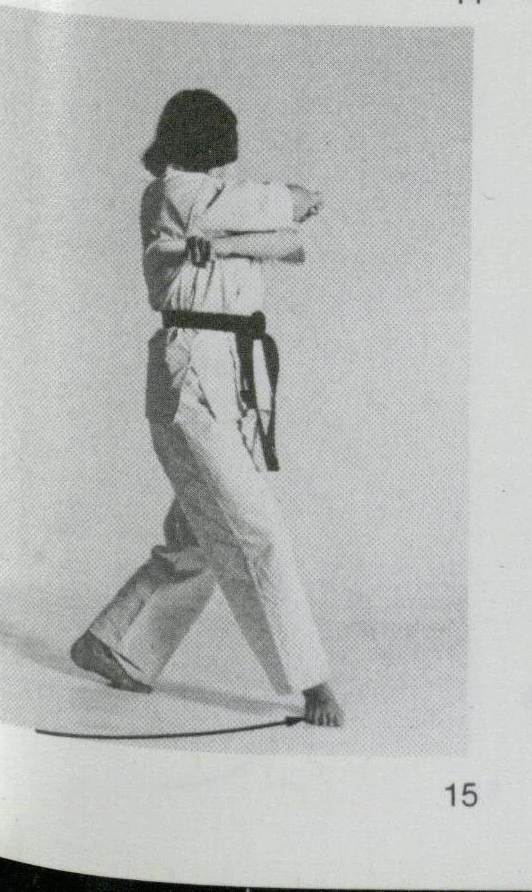
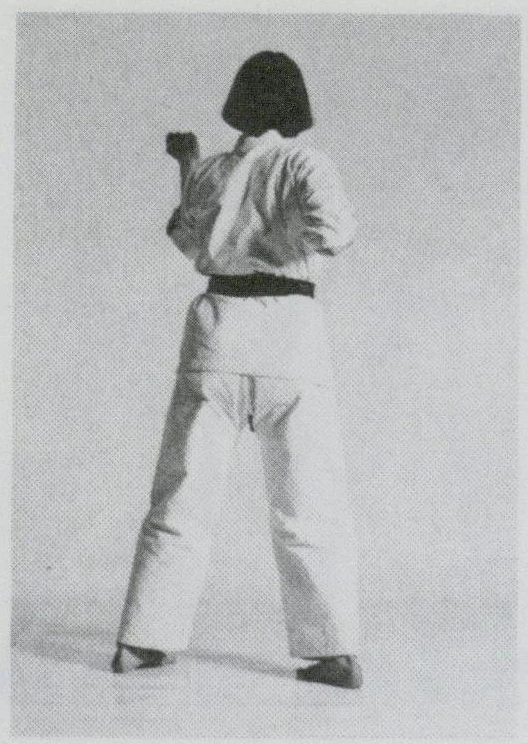
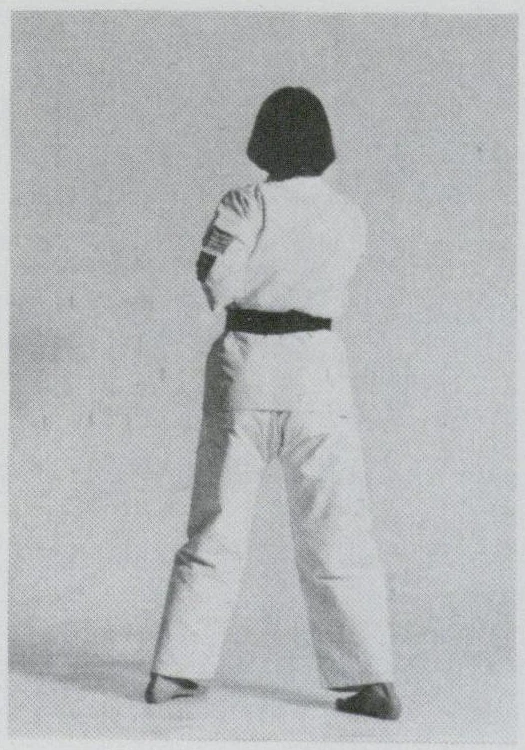
Keeping the right arm extended step forward into right sanchin dachi (fig. 18) and slowly block chudan uchi uke (figs. 19 to 24).
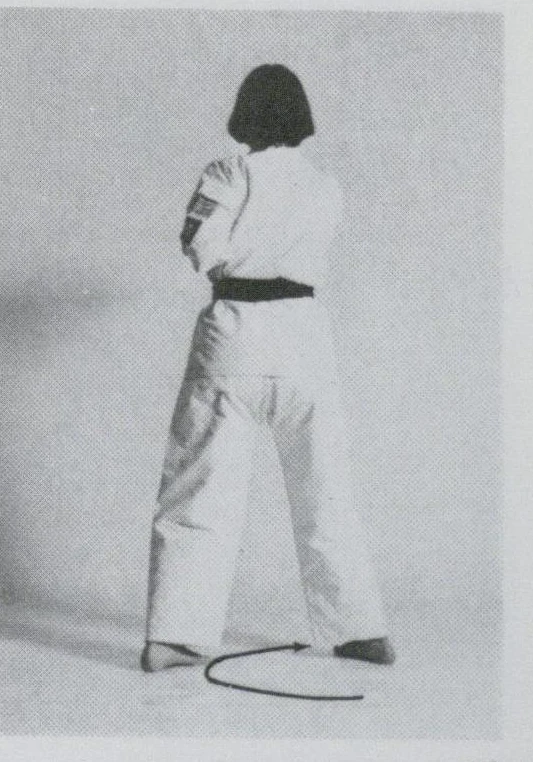
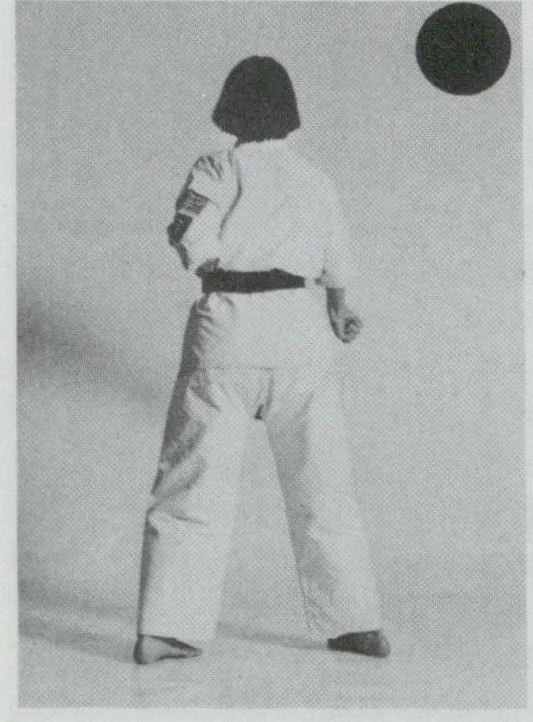
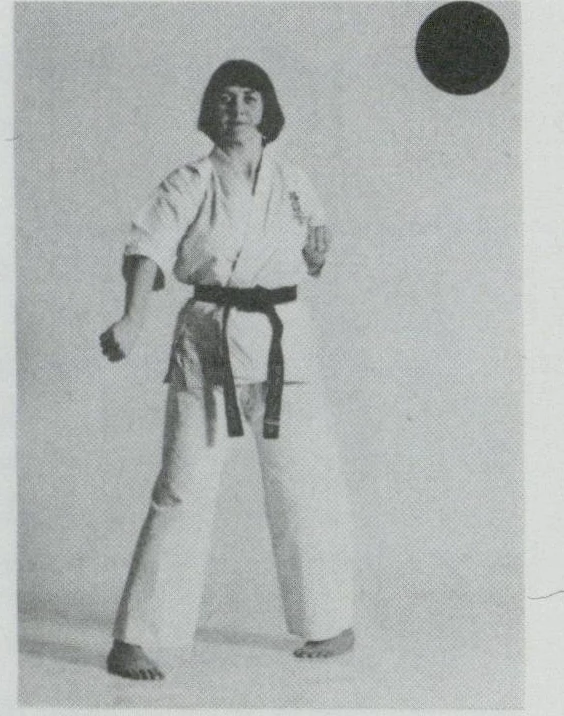
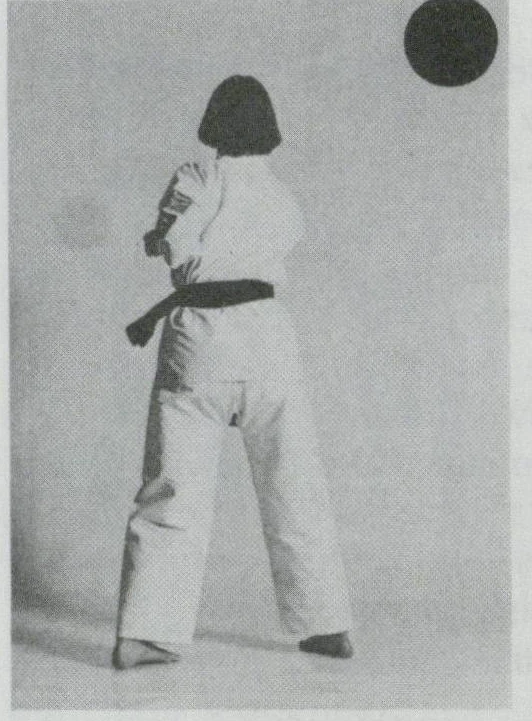
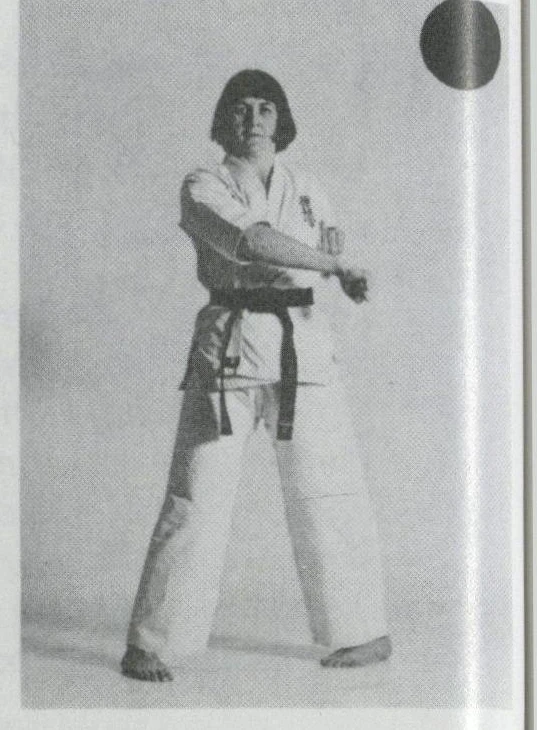
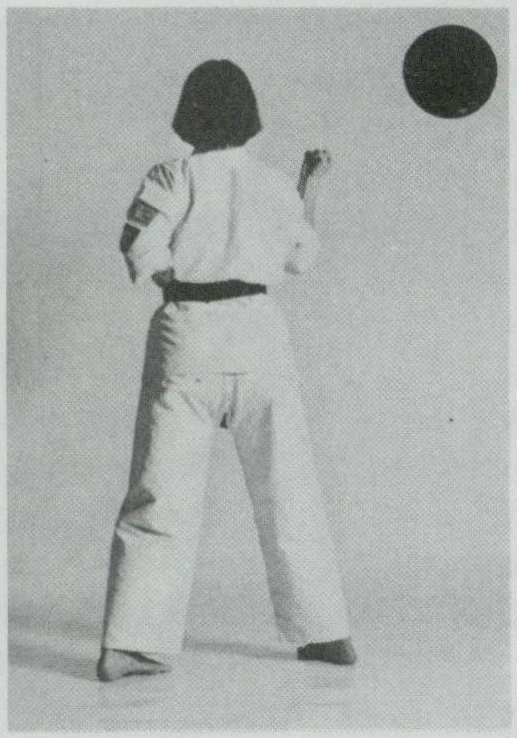
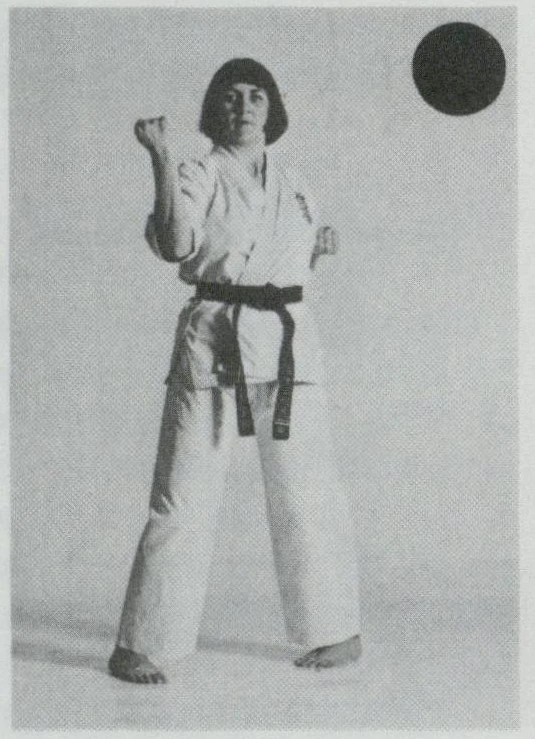
After the block immediately punch chudan gyaku tsuki and chudan oi tsuki (figs. 25 and 26) (n.b. punches must be executed quickly).
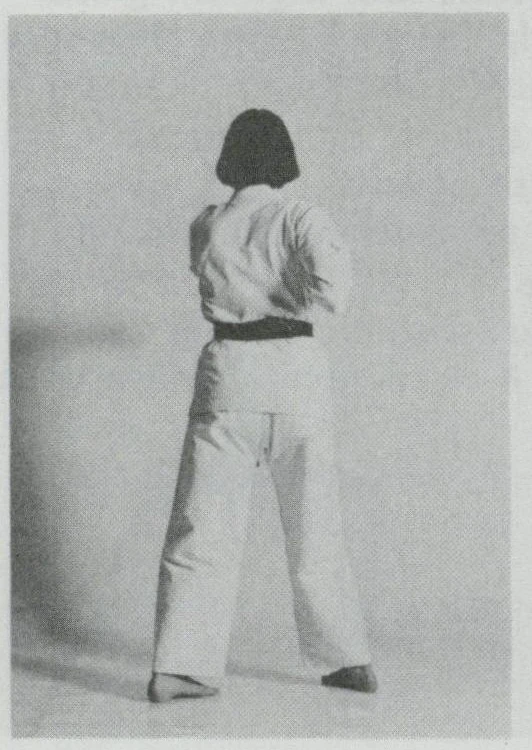
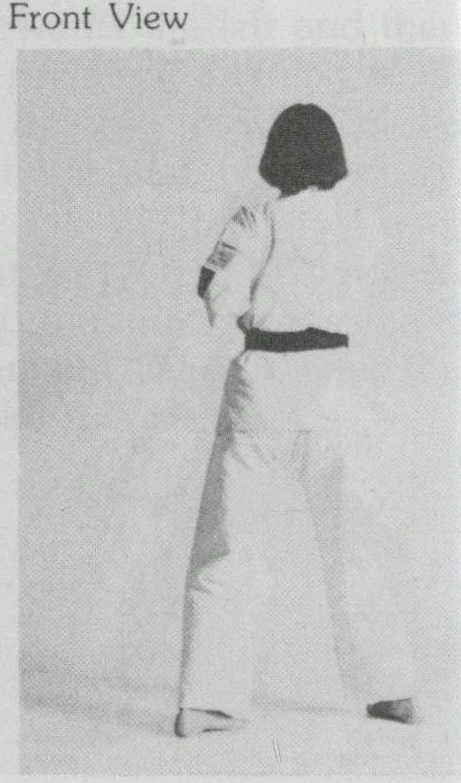
Move forward into left zenkutsu dachi and punch jodan oi tsuki (fig. 27).
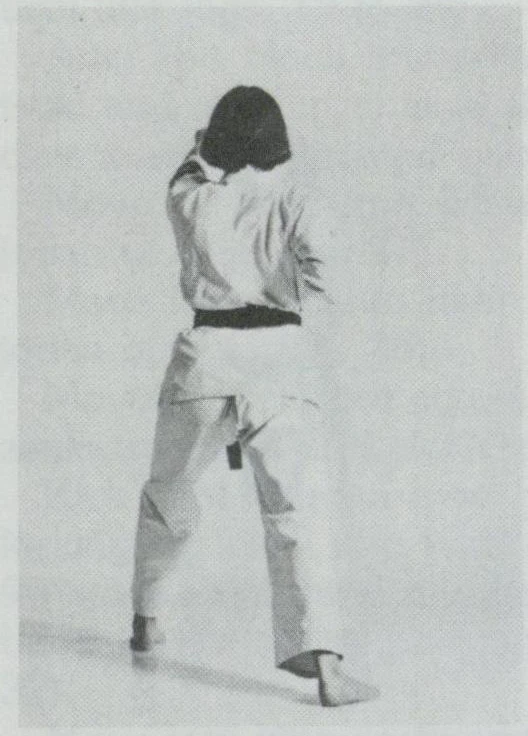
Move forward into right zenkutsu dachi and punch jodan oi tsuki (fig. 28).
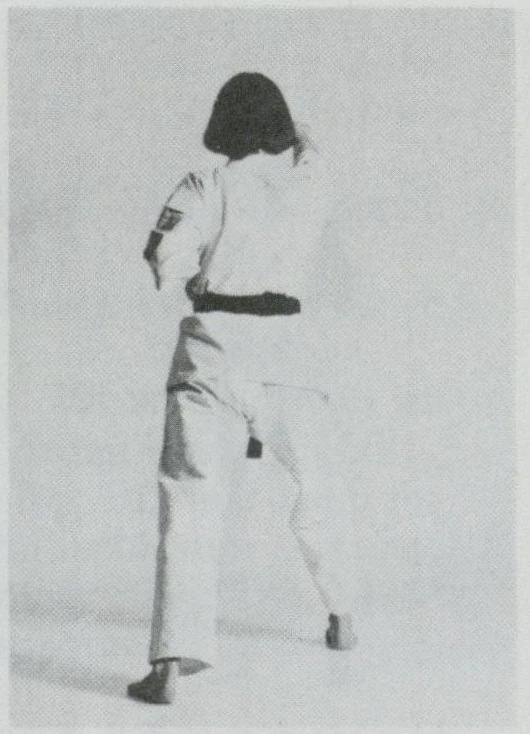
Move the left foot across (fig. 29) and turn into left zenkutsu dachi and block mae gedan barai (fig. 30).
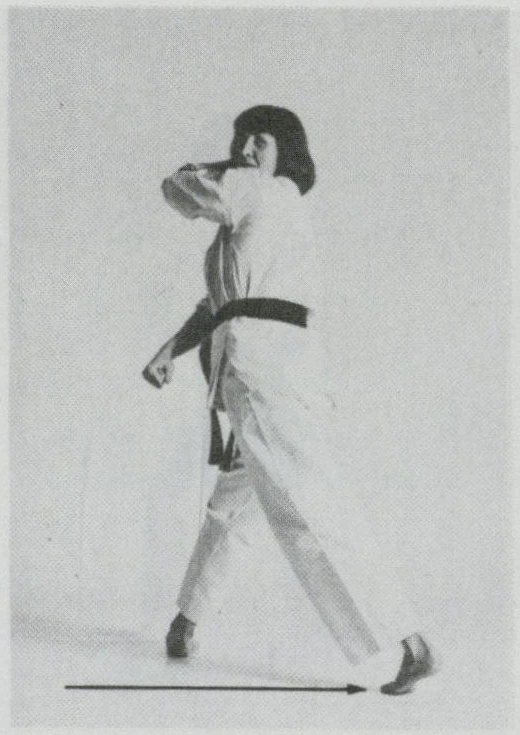
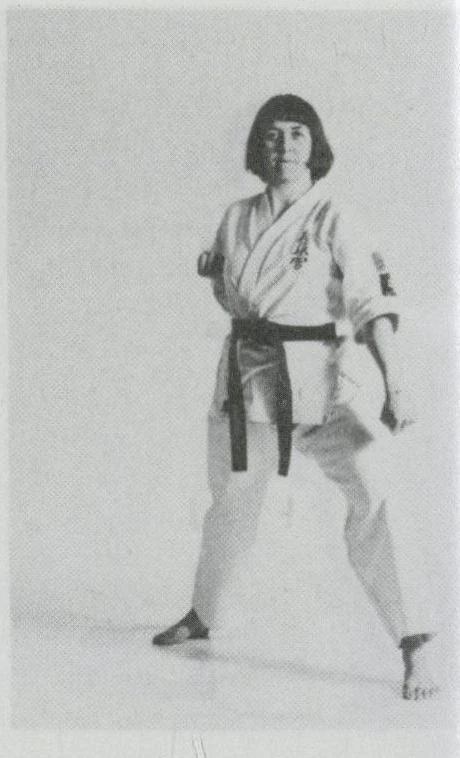
Kick right chudan mae geri (fig. 31) and bring the kicking leg back into tsuru ashi dachi, turn the head 90° to the right and simultaneously cover with the left hand in the shotei position (at shoulder height) (fig. 32).
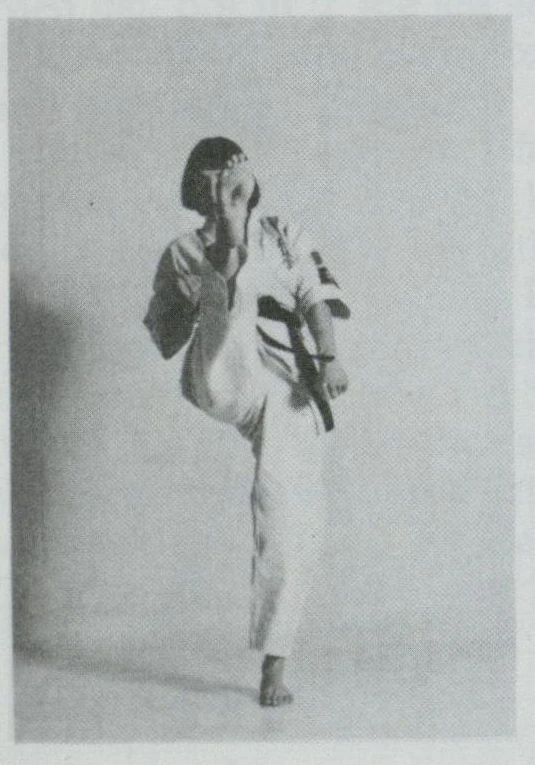
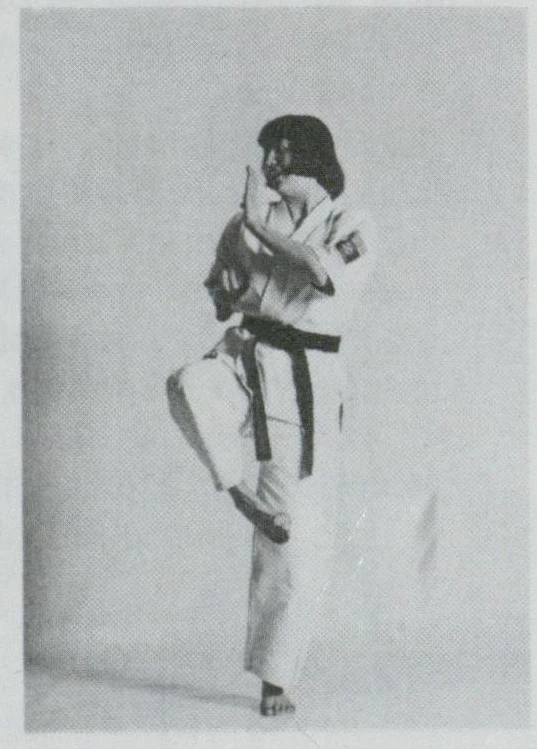
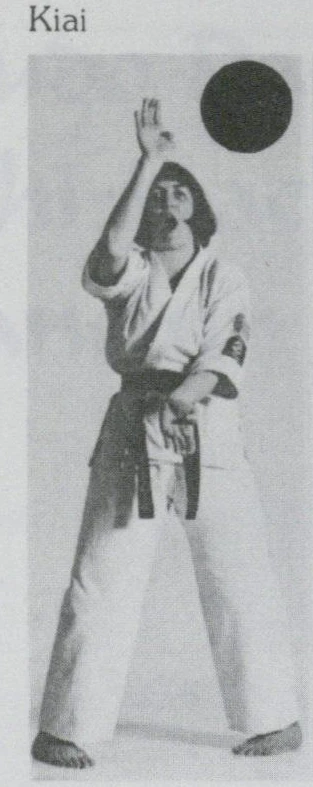
Move into kiba dachi and punch right jun tsuki and KIAI (fig. 33) (n.b. the left hand is closed and the level of the striking arm is approximately at shoulder level and parallel to the ground).
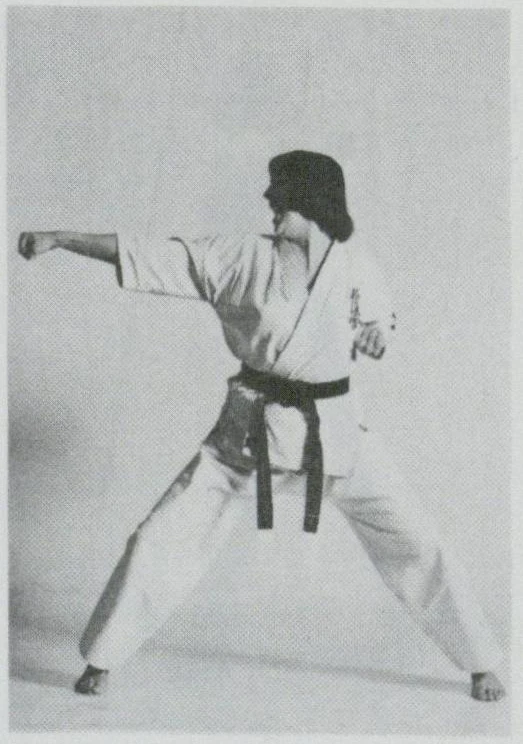
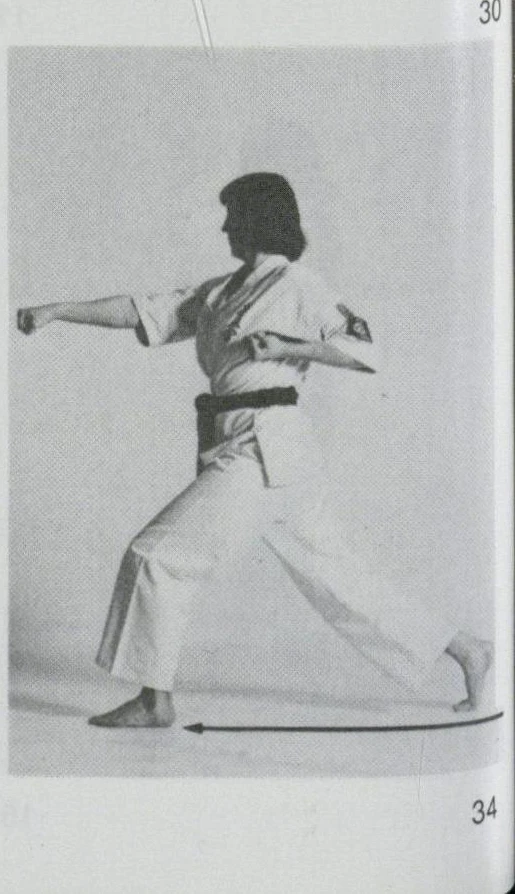
Move forward with the left leg in a straight line turning the body 180° (fig. 34) into kiba dachi and punch left jun tsuki (fig. 35) (n.b. the right hand is closed).
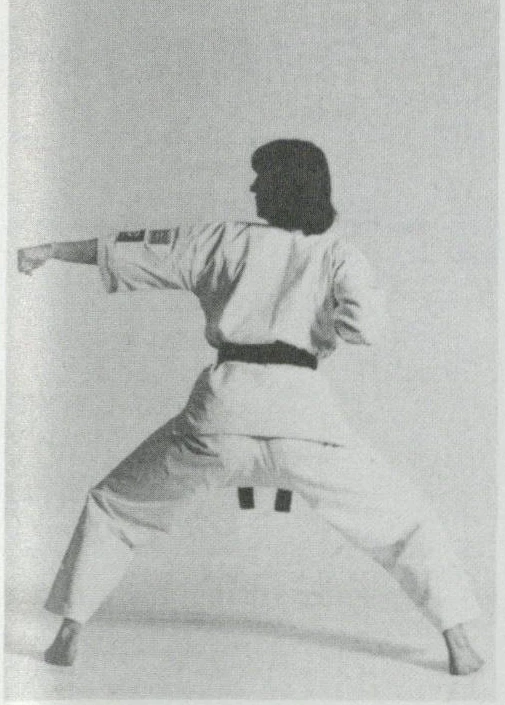
Pivot on the feet turning 180° (n.b. left heel raised, right foot flat) and cover with left shotei (fig. 36) complete the turn into kiba dachi and strike right yonhon nukite (fig. 37) (n.b. the left hand is open after the strike and the level of the striking arm is approximately at shoulder level and parallel to the ground).
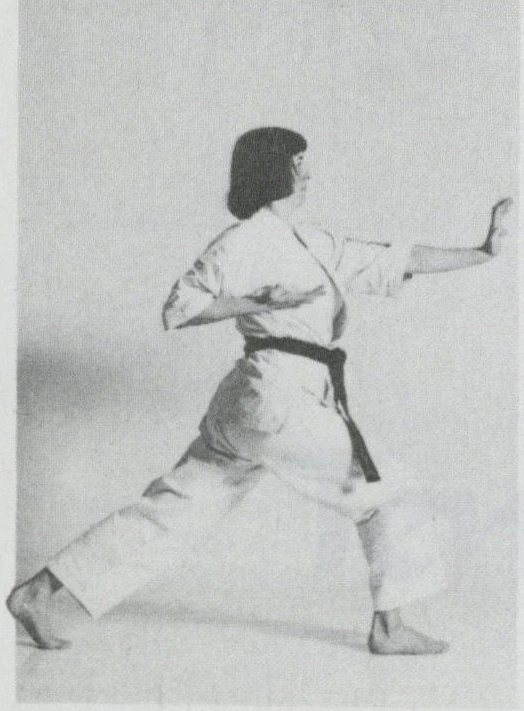
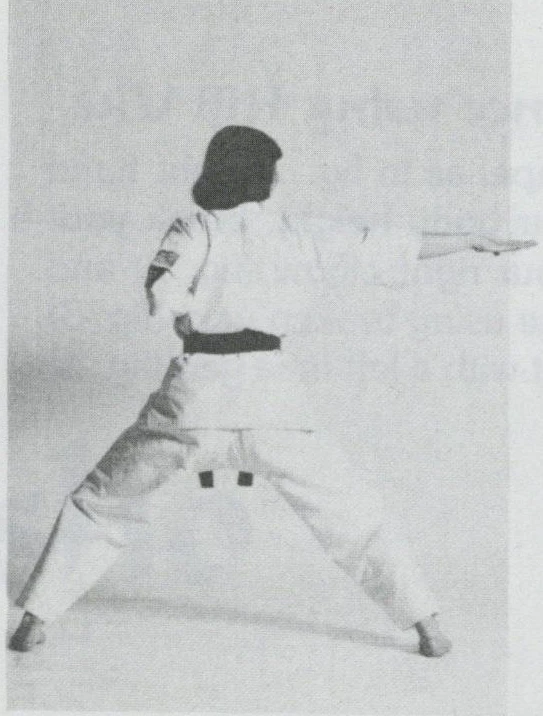
Pivot on the feet, turn 180° (n.b. the right heel raised, left foot flat) and cover with right shotei, move forward with the left leg in a straight line turning the body 180° (fig. 38) into kiba dachi and punch left jun tsuki (fig. 39).
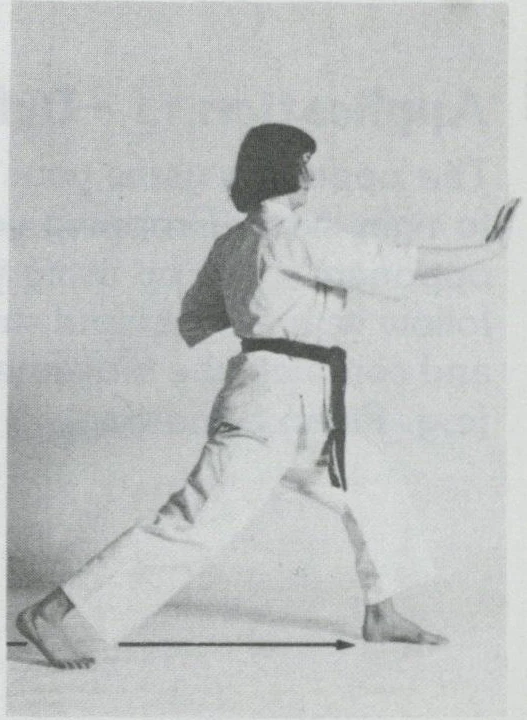
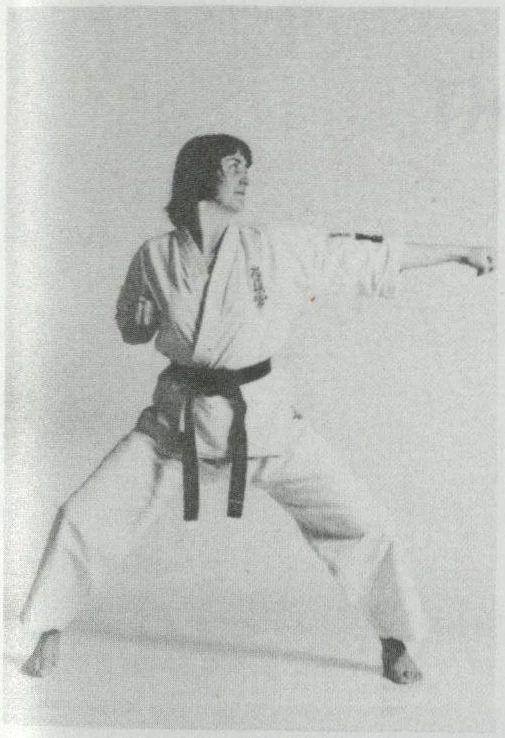
Bring the left foot to the right foot and slide back into right zenkutsu dachi and simultaneously block with right chudan uchi uke and left mae gedan barai (figs. 40 and 41) (n.b. these movements are executed slowly).
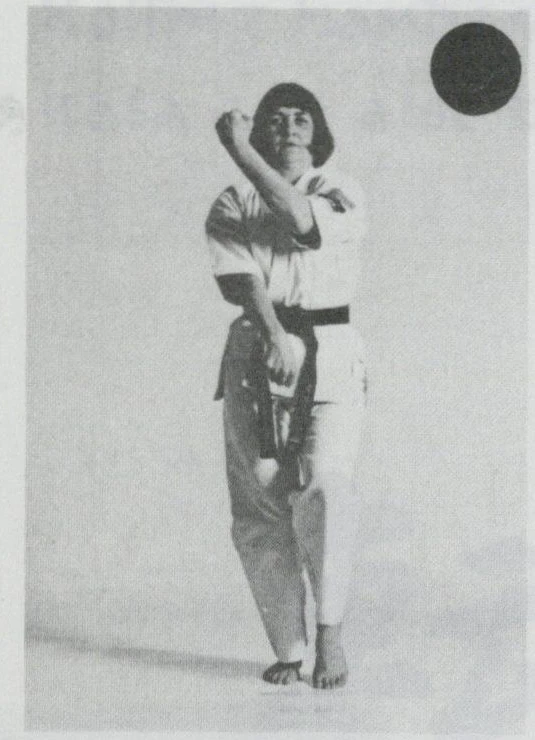
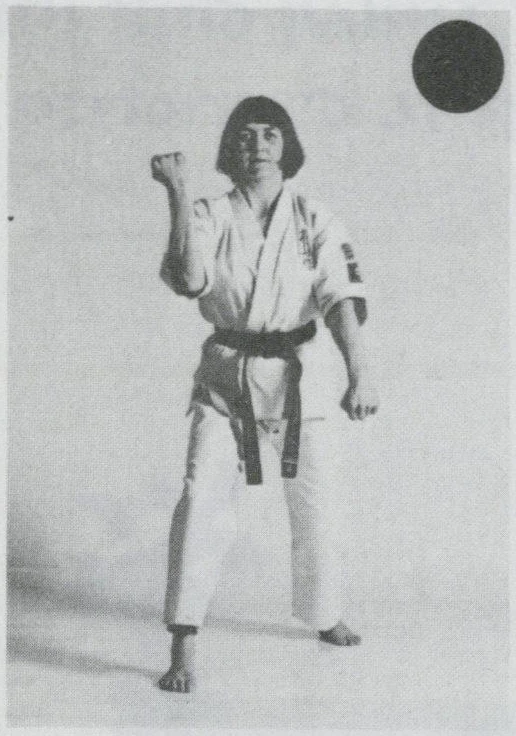
Slowly bring the right fist back into the ready punch position (fig. 42) and KIAI as you punch jodan oi tsuki (fig. 43), gedan gyaku tsuki (fig. 44) and chudan oi tsuki (fig. 45) (n.b. the kiai continues throughout the punching sequence).
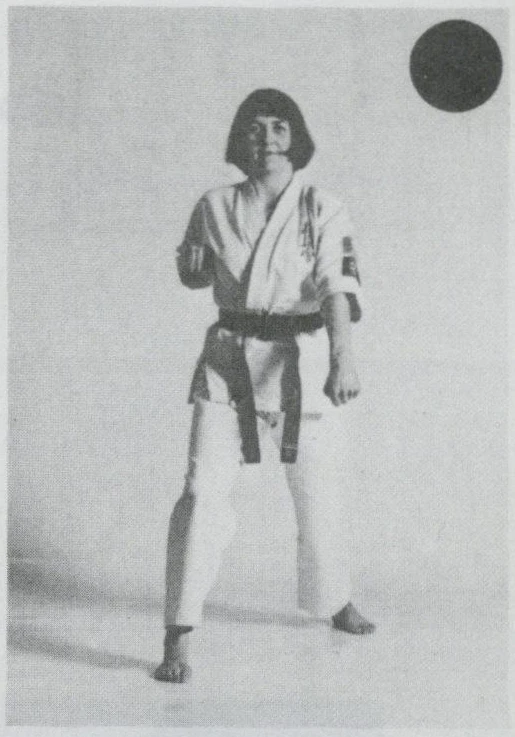
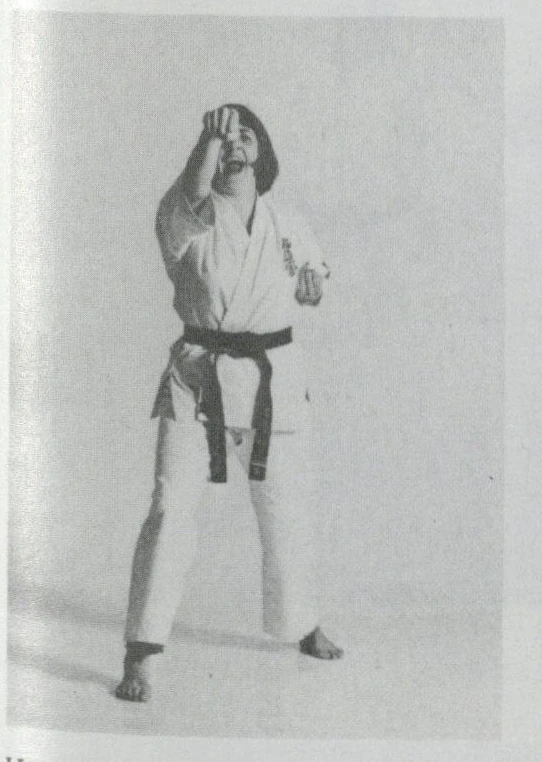
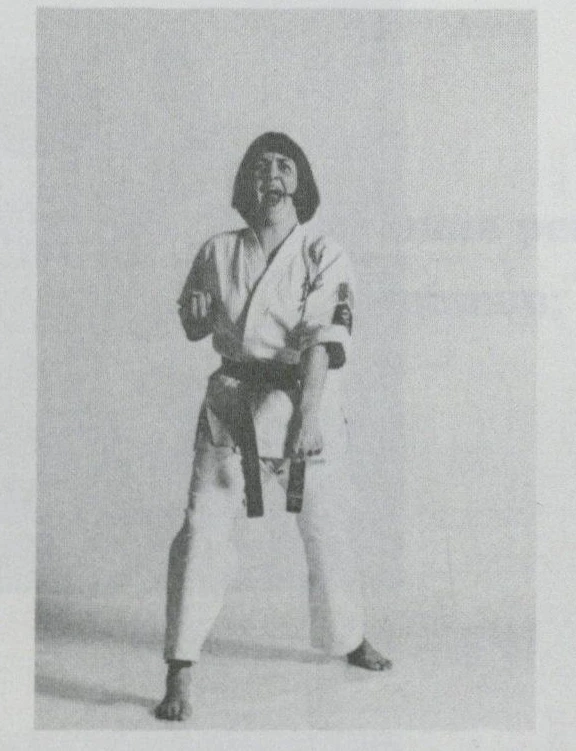
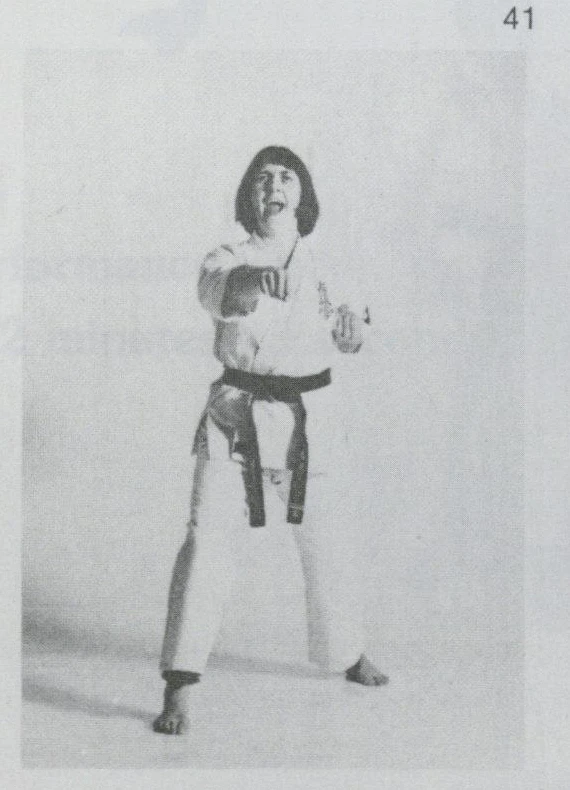
Bring the right foot back towards the left and then move the right foot into right sanchin dachi and block shuto mawashi uke with ibuki (figs. 46 to 50) (n.b. the ibuki is performed on the shotei part of the shuto mawashi uke — see fig. 50).
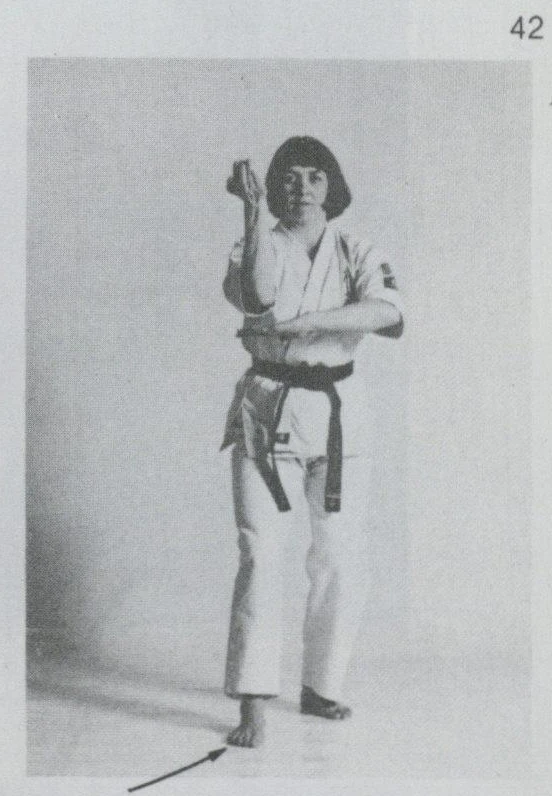
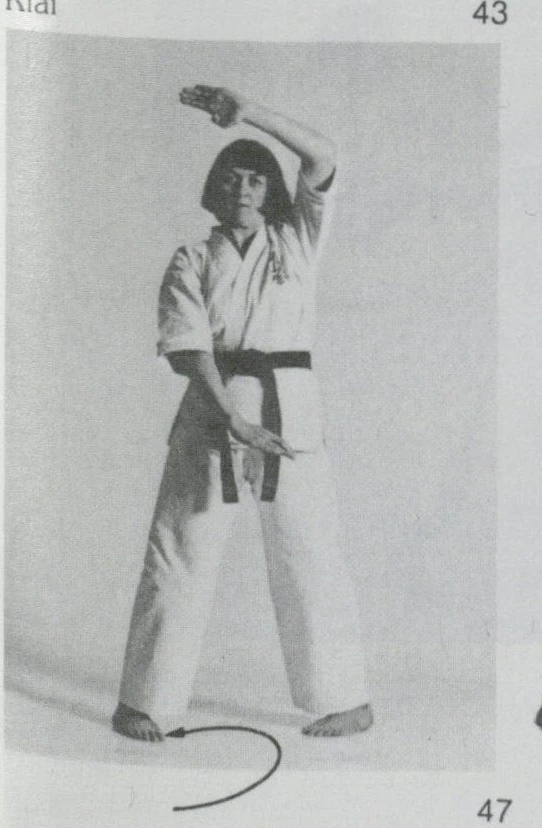
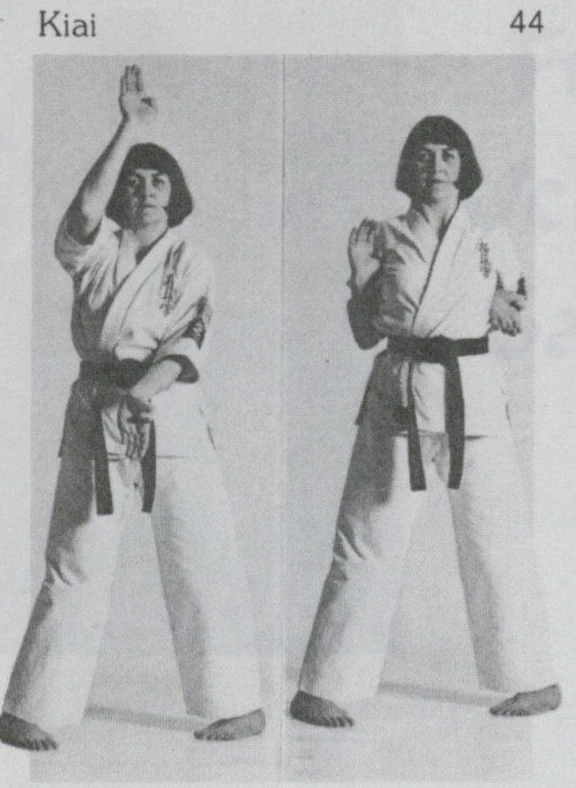
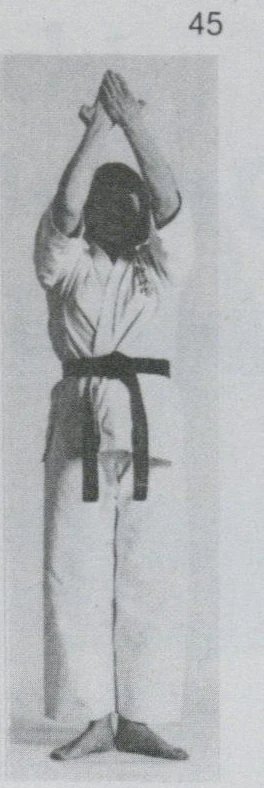
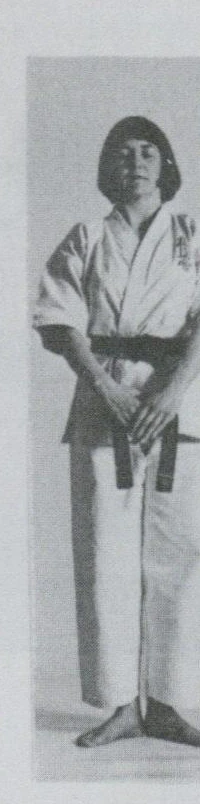
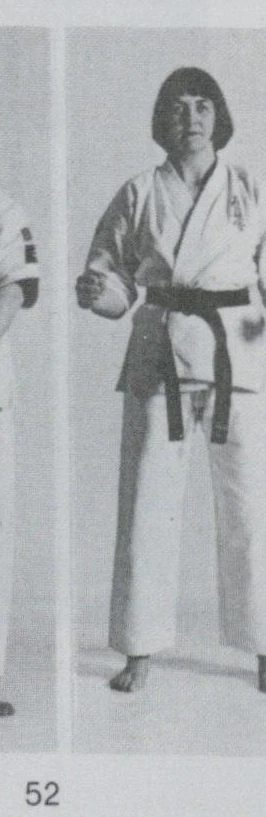
The kata is completed by moving the right foot back into musubi dachi (fig. 51) and the mokuso position is retained (fig. 52) until the command “Naore” when the fudo dachi position is taken (fig. 53).

Ready to Start Training?
Train with us in Wimbledon and start working towards your first grading.
Join Our Classes